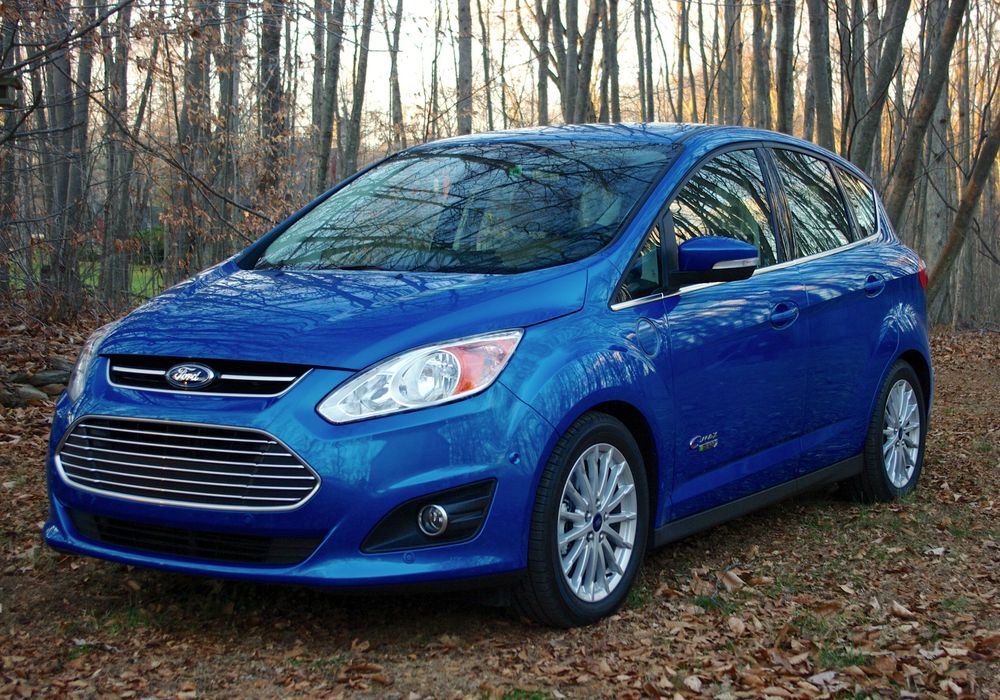
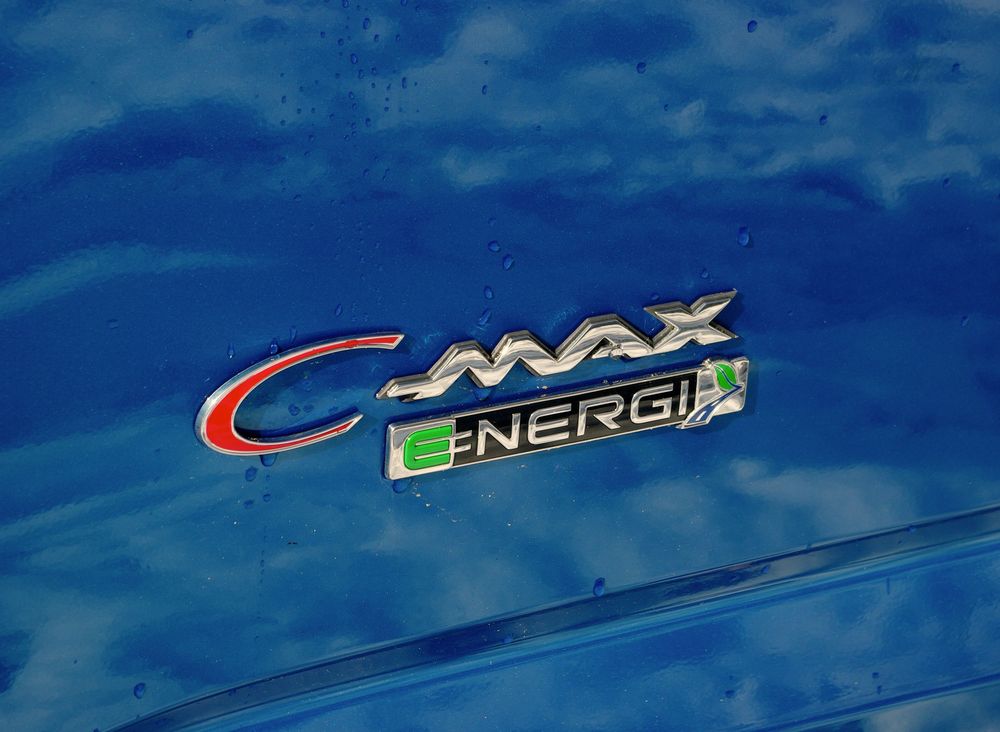
Things are certainly heating up when it comes to domestic automobiles and electric motors. It’s taken awhile, but the Chevy Volt finally made it to the marketplace with excellent results especially in terms of the car’s drivability and customer satisfaction. And now over a decade after the Toyota Prius first appeared in the US market, Ford now has its first “dedicated” hybrid models, which of course are cars that come only in hybrid form (although the car I’m talking about here has had a non-hybrid version on the road already in Europe for years). The Ford C-Max is a compact wagon that comes in a gas/electric Hybrid, as well as a plug-in Hybrid version of the same with a larger capacity lithium-ion battery for extended electric-only operation. I got to sample the latter (called the Energi) for a week and found it to be a very interesting, and perplexing, vehicle.
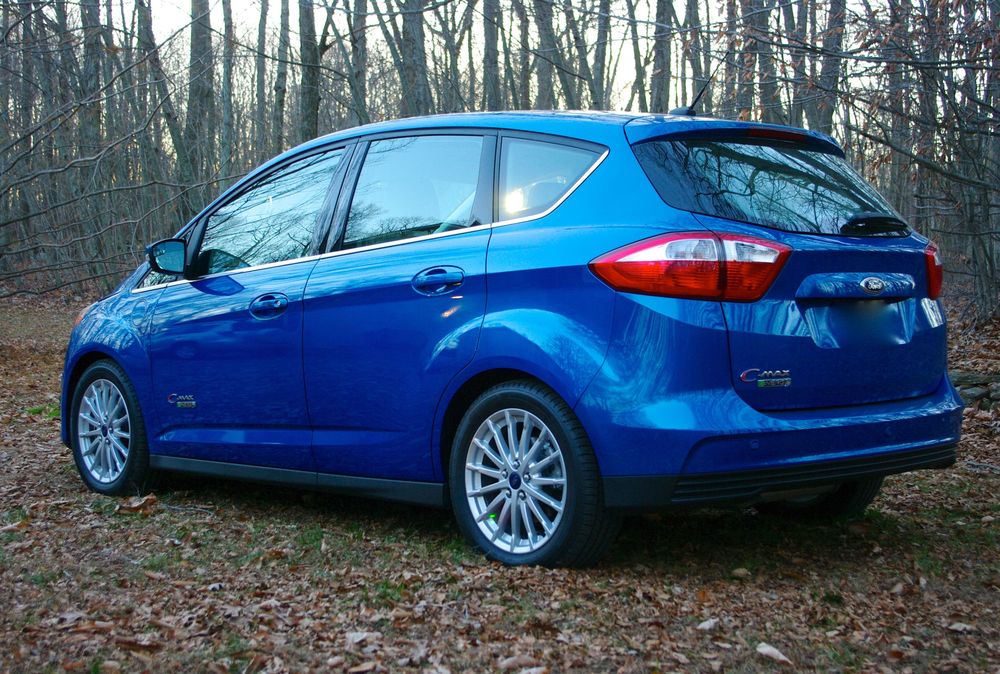
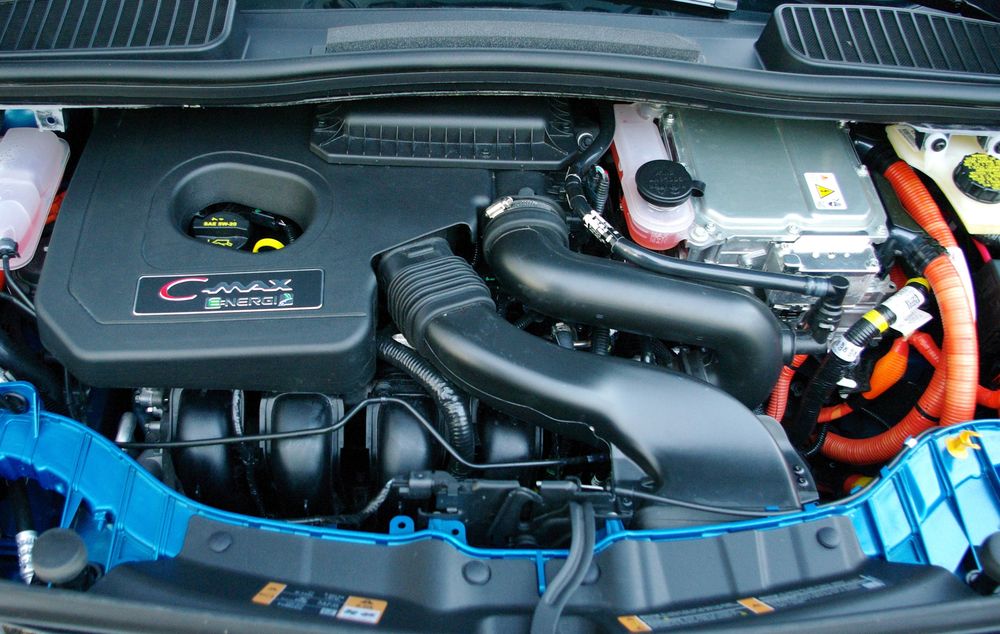
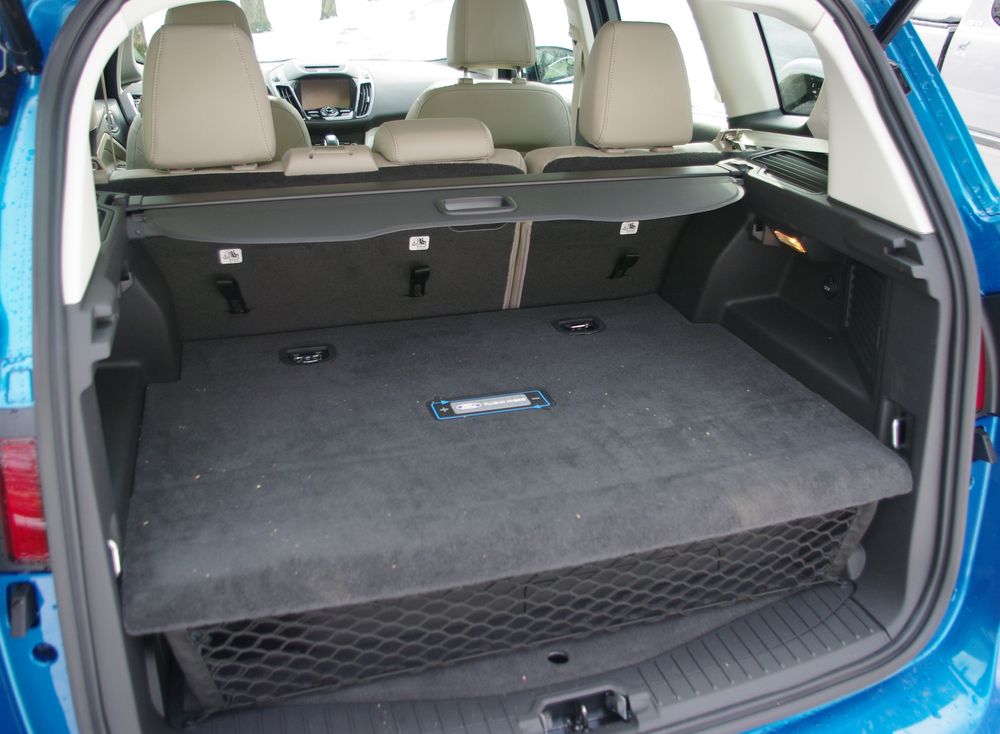
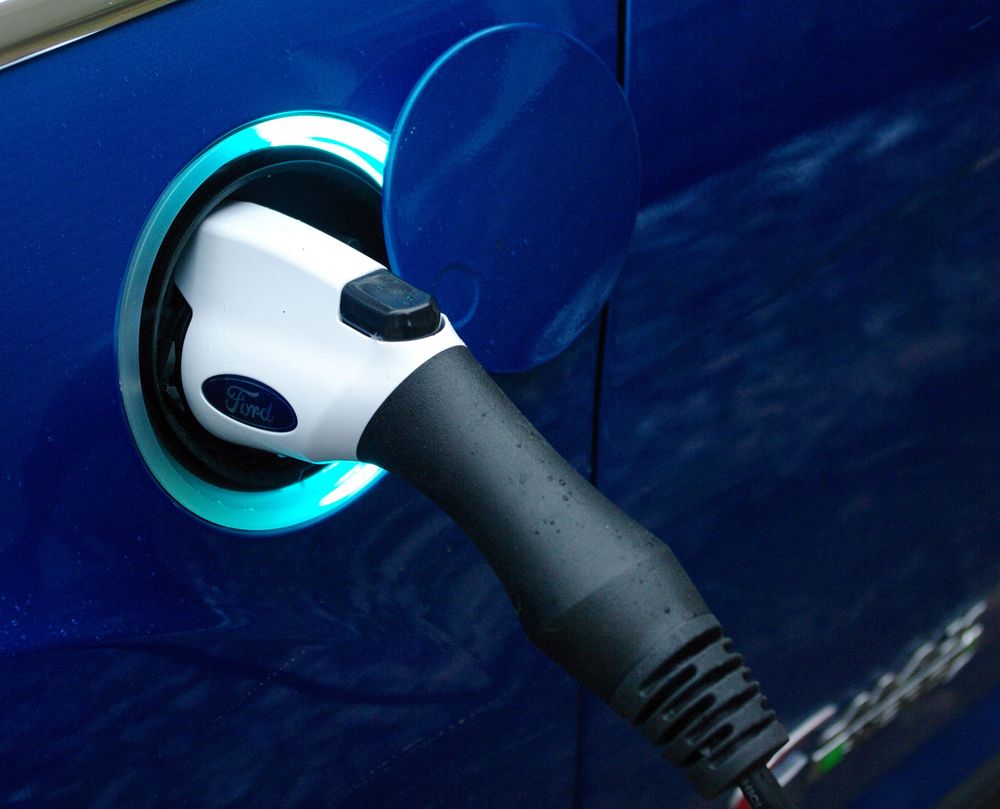
First, the C-Max is being marketed by Ford primarily as not a competitor to the regular 5-Door Prius, but instead the Prius v wagon (which you can read about if you search this site, as well as my take on a pre-production plug-in Prius). If you check the specifications the two vehicle are very similar, although truth be told the Prius v has more cargo room and just felt roomier to me overall. But both of these tallish wagons are superbly practical designs, not only providing a lot of room and versatility but doing so in intelligent, fuel-efficient packages. In the case of the C-Max, they are breaking new ground by launching a conventional gas/electric hybrid and a plug-in version at the same time, using the same basic drivetrain but fortifying the plug-in’s Lithium-Ion battery with a larger unit behind the rear seats that sits in the cargo area. The rest of the drivetrain consists of a 2-liter Inline Four gas engine mated to an electric motor, with a total output of 188 horsepower (projected). The transmission is a Continuously Variable unit, driving the front wheels. The Plug-in receptacle is located just in front of the driver’s door, and using ordinary 110-volt household power took about 6 hours to recharge the battery completely (1300 watts, 12 amps, 7.54 kilowatts used). This enabled about 14-16 miles exclusively on electric propulsion (although cold temperatures meant the gas engine ran frequently to keep things warm, including the interior).
The driving dynamics of the C-Max are very satisfying, as it demonstrates good acceleration, crisp, solid handling and an overall feeling of quality and careful assembly. The CVT transmission is one of the quietest of this type of gearbox I’ve ever sampled, and the engine/electric motor transitions were very smooth. Occasionally the gas engine’s idle made its presence known but overall it’s a very refined little mill. Regenerative braking (when the electric motor reverses and becomes a generator to charge the Hybrid battery, and the slight drag aids in slowing the car down) is also super smooth in transition, also a laudable accomplishment.
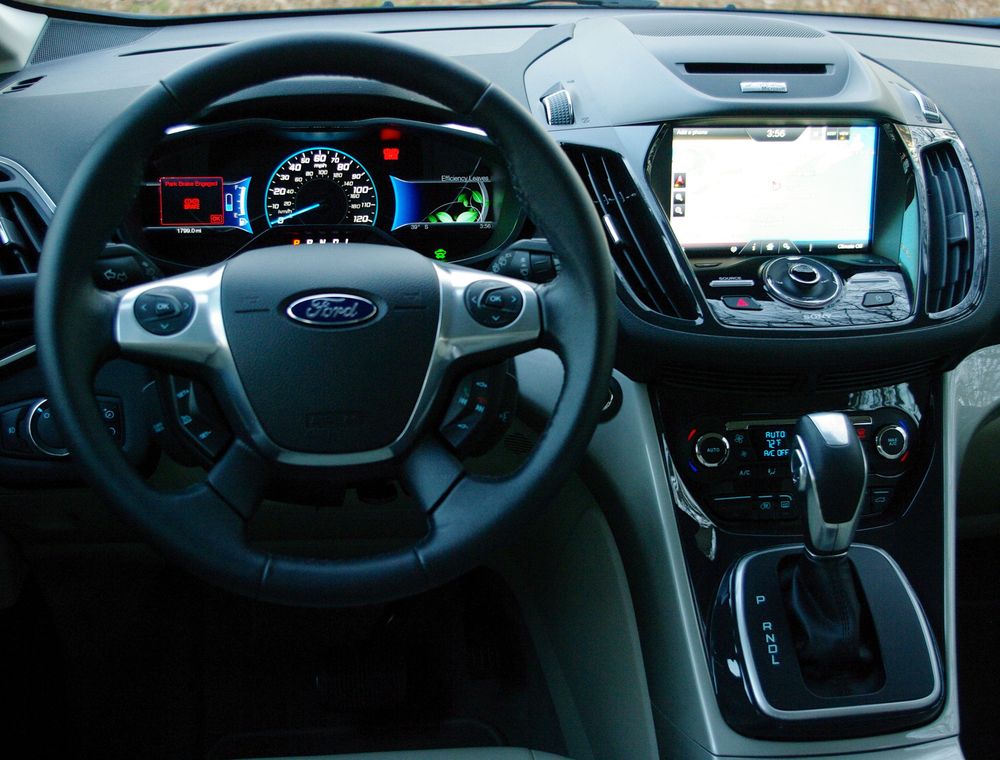
Inside the car is roomy in terms of headroom and legroom, but the battery that takes up so much room in the cargo area also dictates a fairly upright seatback position in the rear seat. Workmanship is a C-Max strong point, with quality materials and reasonable logical controls except for the typical MyFord Touch silliness. Displays are very colorful and clear, although navigating through the menus on the instrument cluster (using buttons on the steering wheel) can be distracting initially.
So, the car is a very nice driver, and has a solid chassis that gives it a quality feel. The big question is, how’s the fuel economy? Here’s where things get perplexing. The EPA fuel economy rating for the C-Max Energi Plug-in Hybrid is 100 MPG in combined use (meaning you plug it in and drive, and then when this charge is depleted it reverts to regular Hybrid operation), and otherwise 44 MPG city/41 highway. Even after charging the car several times overnight, the best I ever averaged in mixed driving was a bit over 40 MPG, and overall I got 35.4 MPG. Not M1 Abrams Tank territory, mind you, but not exactly stunning. In fact, considering the fact that most people purchase hybrids (both plug-in and conventional) to cut down on the amount of fuel they burn, it seems rather odd that the numbers aren’t more impressive. I’d say that it could have just been my unit, but anecdotal evidence has been expanding on the interwebs that seems to indicate my experience wasn’t exactly unusual. By contrast, the Prius plug-in I tested delivered mileage in the mid-to-upper 50’s, and interestingly both it and the C-Max were tested in cold weather (really cold, in the case of the Prius) when fuel economy is typically at its worst for this type of vehicle. So when in comes to Mr. Max, what gives?
I have no idea. But, we’ll see, as you have to remember these autos have literally just popped out of the oven and will no doubt need a bit of tweaking to get everything up to speed. Otherwise, it’s a nice machine to hustle around. But at this juncture, I would advise those in the market to shop carefully before committing to these all-new platforms.
 RollingProse