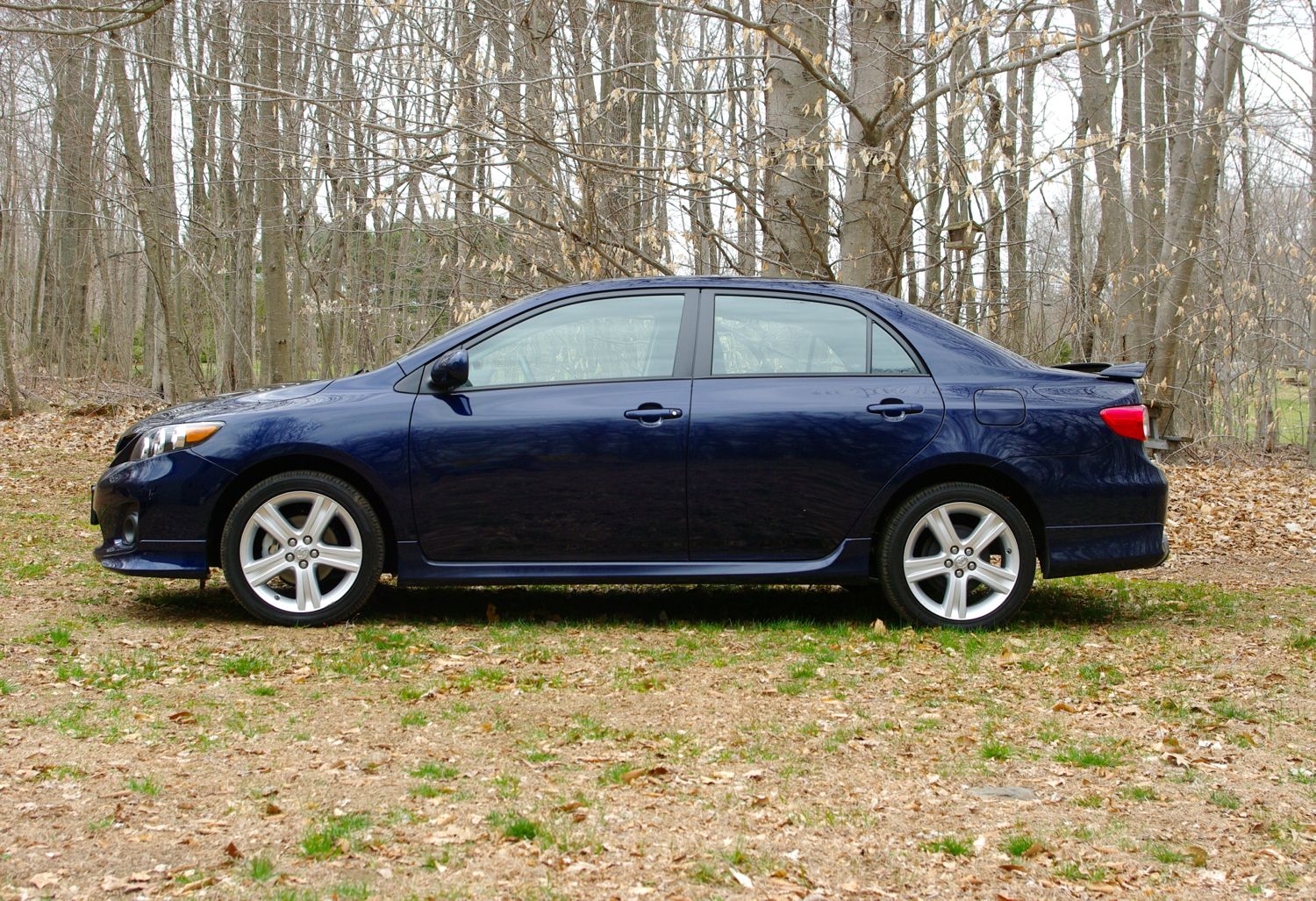
2013 Toyota Corolla S
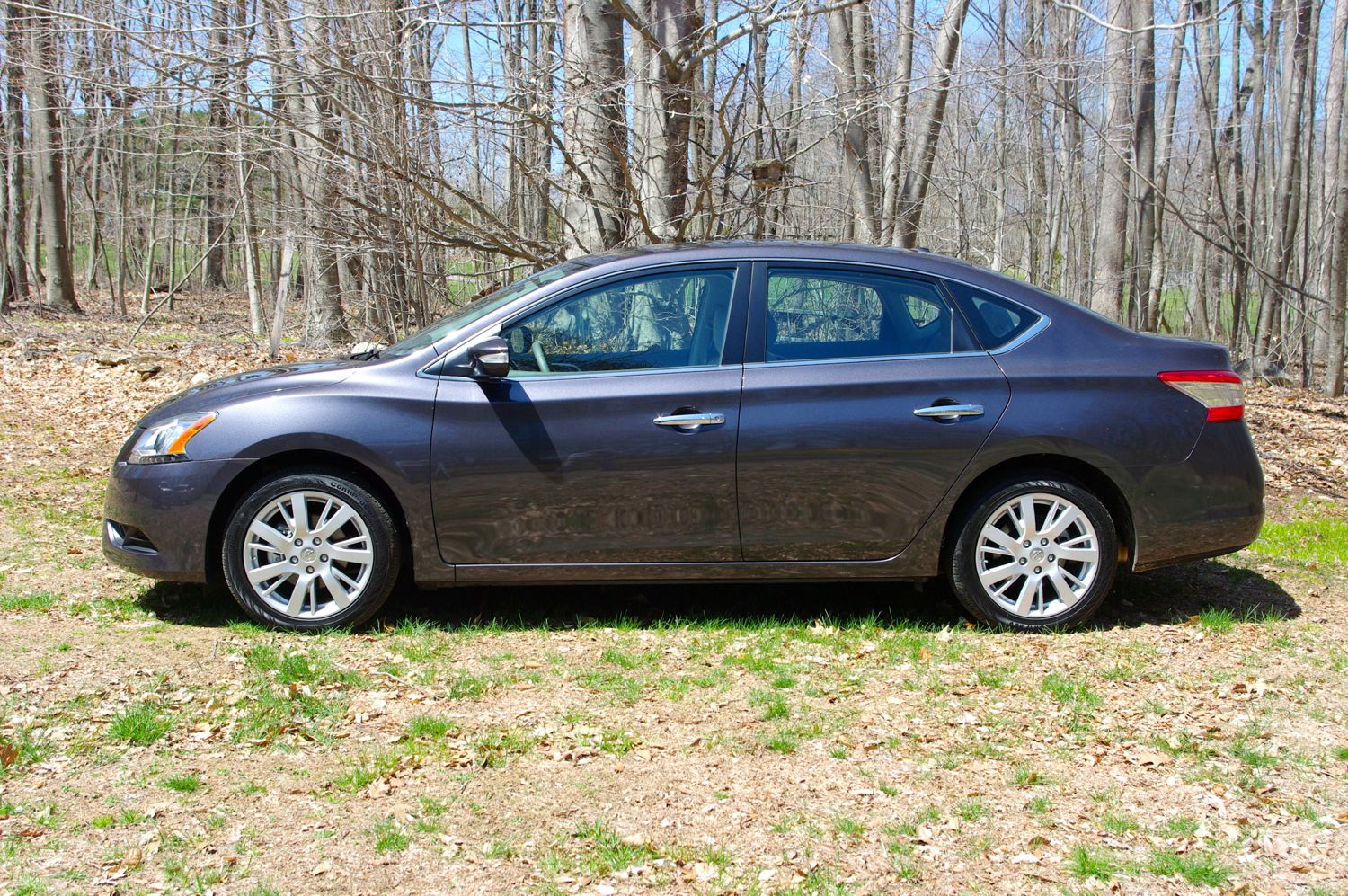
2013 Nissan Sentra SL
It has been a grudge match that has spanned generations. And by generations, I of course mean generations in an automotive sense because these two really haven’t been fighting all that long when you compare long battles like England and France, snakes and mongooses, politicians and reality and Donald Trump and his hair. That said, 30 years is a pretty long time and while this is no epic Ford vs. Chevy struggle it has been a huge motivator for improving the quality of compact sedans, and a number of manufacturers are now in the scrum. As is an integral part of Best Practices interweb commentary these days (which is to say pile it higher and deeper at every opportunity), I’m exaggerating the fight between the Toyota Corolla and Nissan Sentra for no good reason, except to point out that by competing with each other to build the best compact sedan for the money they’ve both fashioned pretty decent rides that are actually very different in personality. This ultimately means that it really does come down to your individual tastes (big tip-this is true for when you shop for most cars these days), and in the case of these two they should last as long as you take decent care of them. But will you outgrow them in a couple of years? Read on.
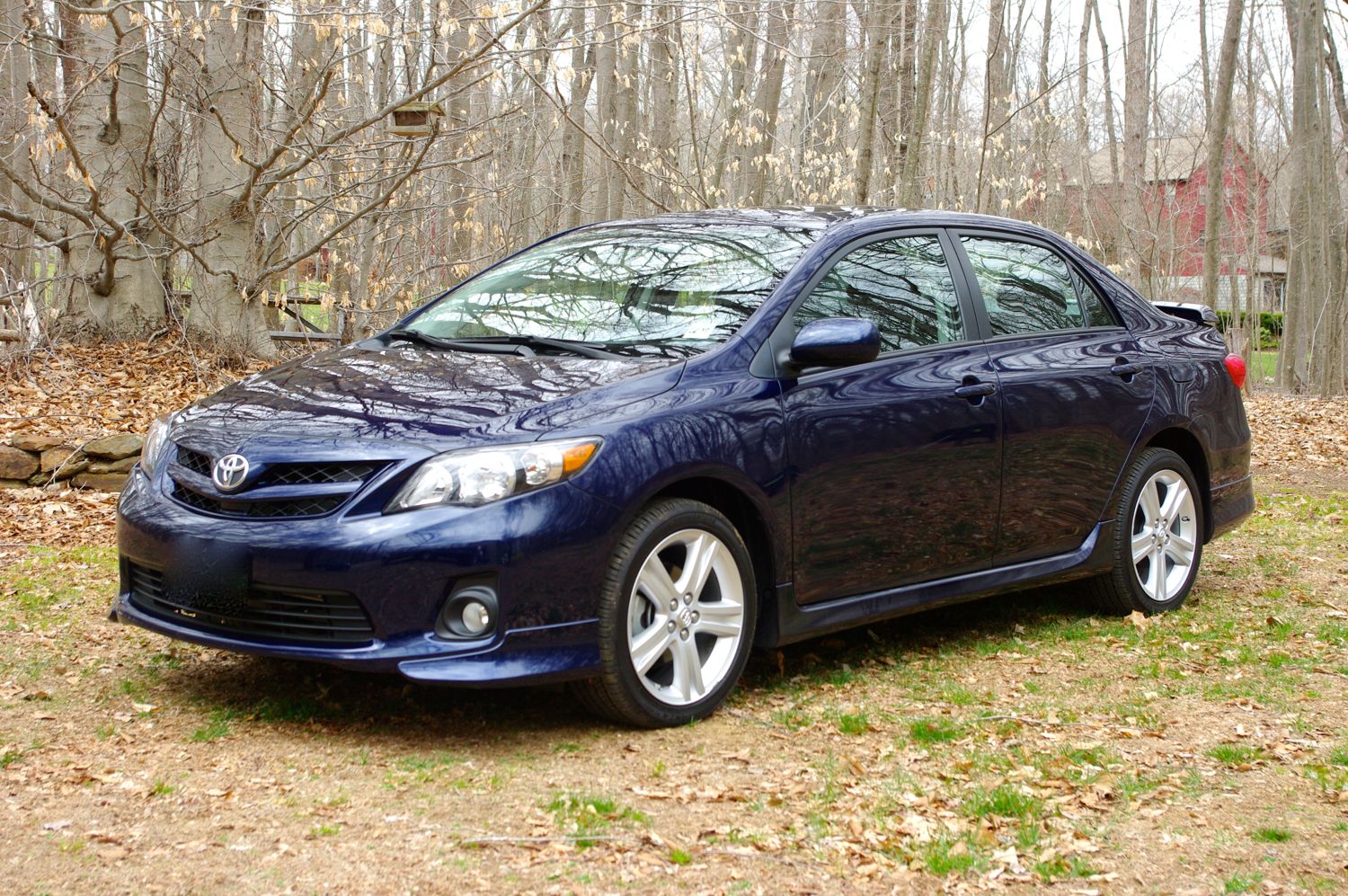
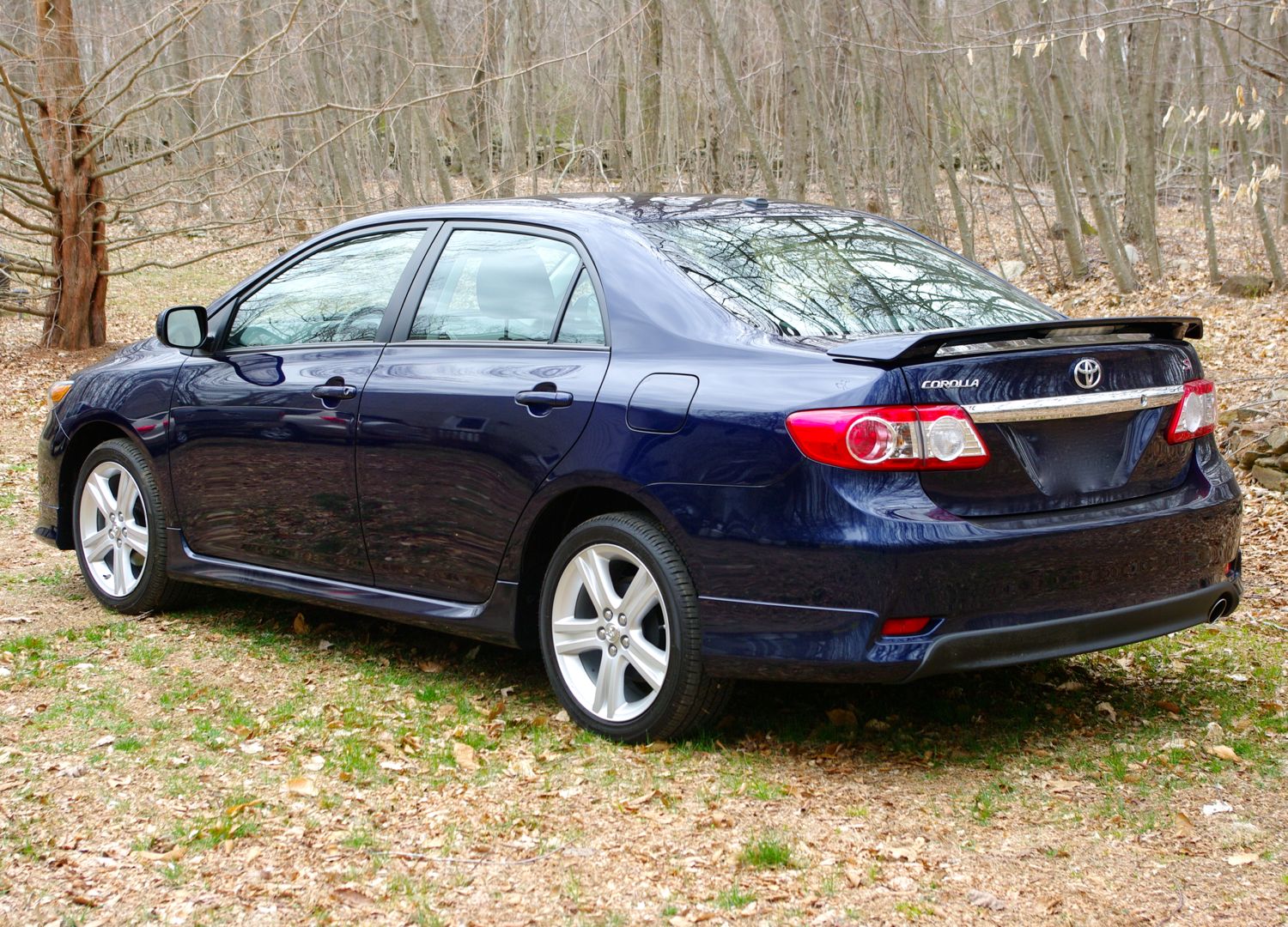
The Toyota Corolla has been a part of the American landscape since the 60s, and while the 2013 version is bigger and dramatically more refined that the early versions it still shares an important attribute in common: it’s still a solid, reliable compact automobile that’s inexpensive to operate. The price of everything had climbed steeply since the Corolla arrived on these shores and the car is a lot more expensive than it used to be in terms of unadjusted base price. The thing is, though, the level of standard equipment, as well as the fact that the car is so much quieter, more comfortable and loaded with the latest in state-of-the-art safety stuff makes it less of the tin box of old and more of a satisfying driver. The Corolla S in these photos was powered by a 1.8-liter Inline Four with its plucky 132 horsepower when teamed with the classic 4-speed automatic transmission gets the job done just fine, while delivering 32 MPG in my week of controlled thrashing. A 5-speed manual is also available, and yes, 6-speed units are becoming de riguer in both manual and automagic gearboxes yet these transmissions are a very good fit in this front-drive transport. It’s a good mix of performance and economy, and while the electronic power steering is a tad on the light side (OK, very light), it still manages enough feedback to be reasonably fun to whip around. I don’t know how it does this; it just does. Ride quality is firmish but still compliant enough to badly spank the compact sedans of the past in terms of overall comfort.

The interior is a very interesting mix of traditional and new, and I’m thankful that while Toyota has seen its way clear to install the seemingly mandatory touch-screen interface in their Entune system, it still has enough knobs and functionality about it to make it useful. The seating in the S is of stout fabric with good, firm support for the driver that doesn’t lose its charm as the day’s miles rack up. The rear seat is surprisingly commodious for a car with a 102.4-inch wheelbase, and the flat floor just adds to the overall room. There’s 60/40 seat back-folding access to the trunk to increase cargo versatility, and with 12.4 cubic feet of space in the trunk it’s no bathtub but perfectly usable.
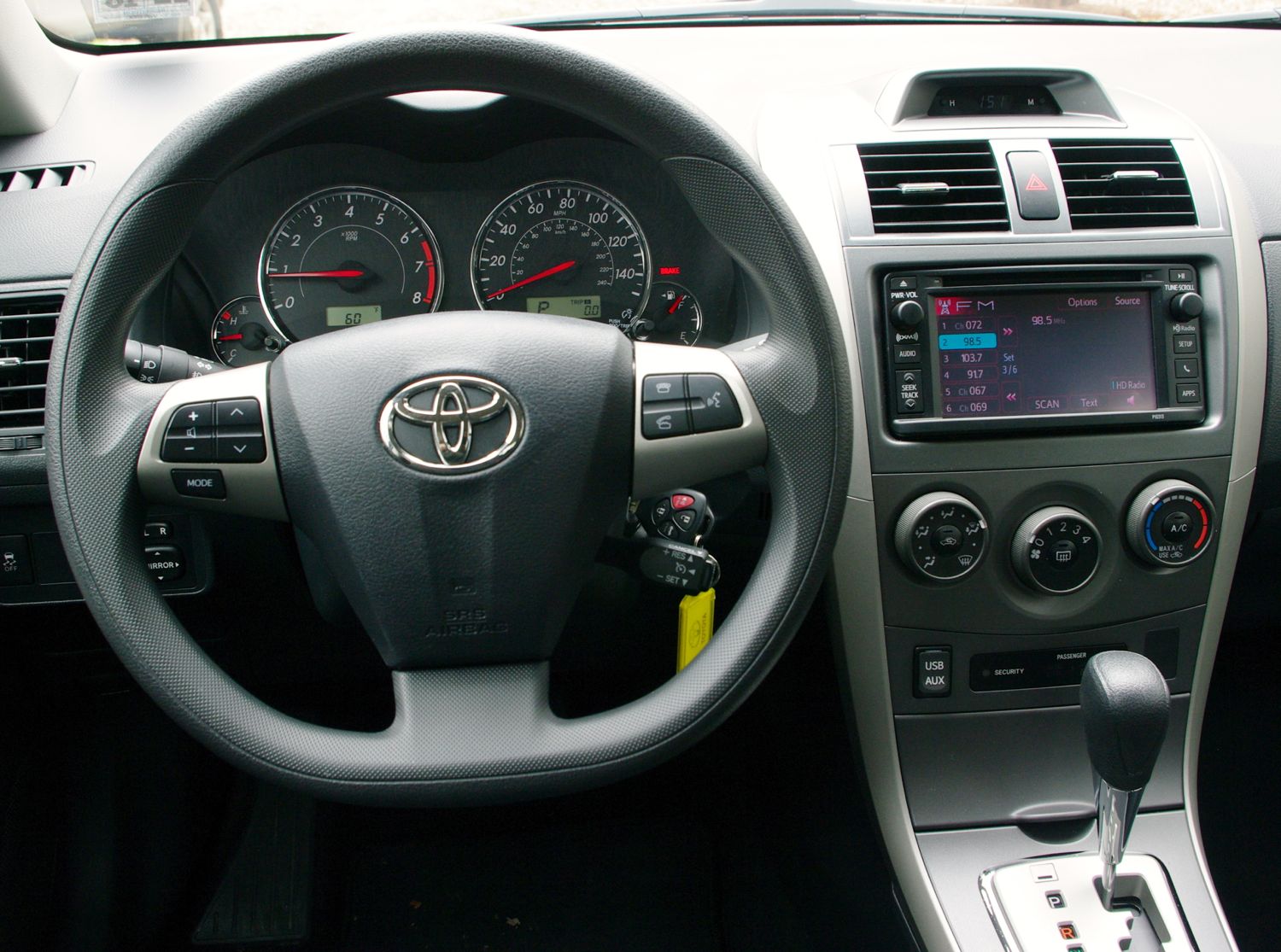
What we ultimately have here is a very practical, functional car with more room than you would expect that’s actually fun to drive and feels built for the long haul. In this way it’s just like previous Corollas, only more so. With options the sticker on my test mule came to $21,729.

Given their identical missions, is the Sentra basically a Corolla from Nissan in terms of overall feel, or is it actually different despite the similarities? On the similar front, in the Sentra SL we have a 1.8-liter Inline Four with 130 horsepower, and the gearbox was an automatic but this time of the Continuously Variable (CVT) variety. This transmission was louder than the Corolla’s and overall the 0-60 times were in he same ballpark, yet it only delivered 28 MPG in this trim level compared with the Toyota’s 32. The general feeling with the Sentra is more relaxed as opposed to athletic, as the ride is smooth enough but not as well-controlled as the Corolla S and there’s noticeably more body lean during hard cornering. There is a Sport button that you can use to sharpen engine/transmission response with a slight penalty in fuel economy. The steering does offer better feel than the Corolla, and both cars had excellent brakes.
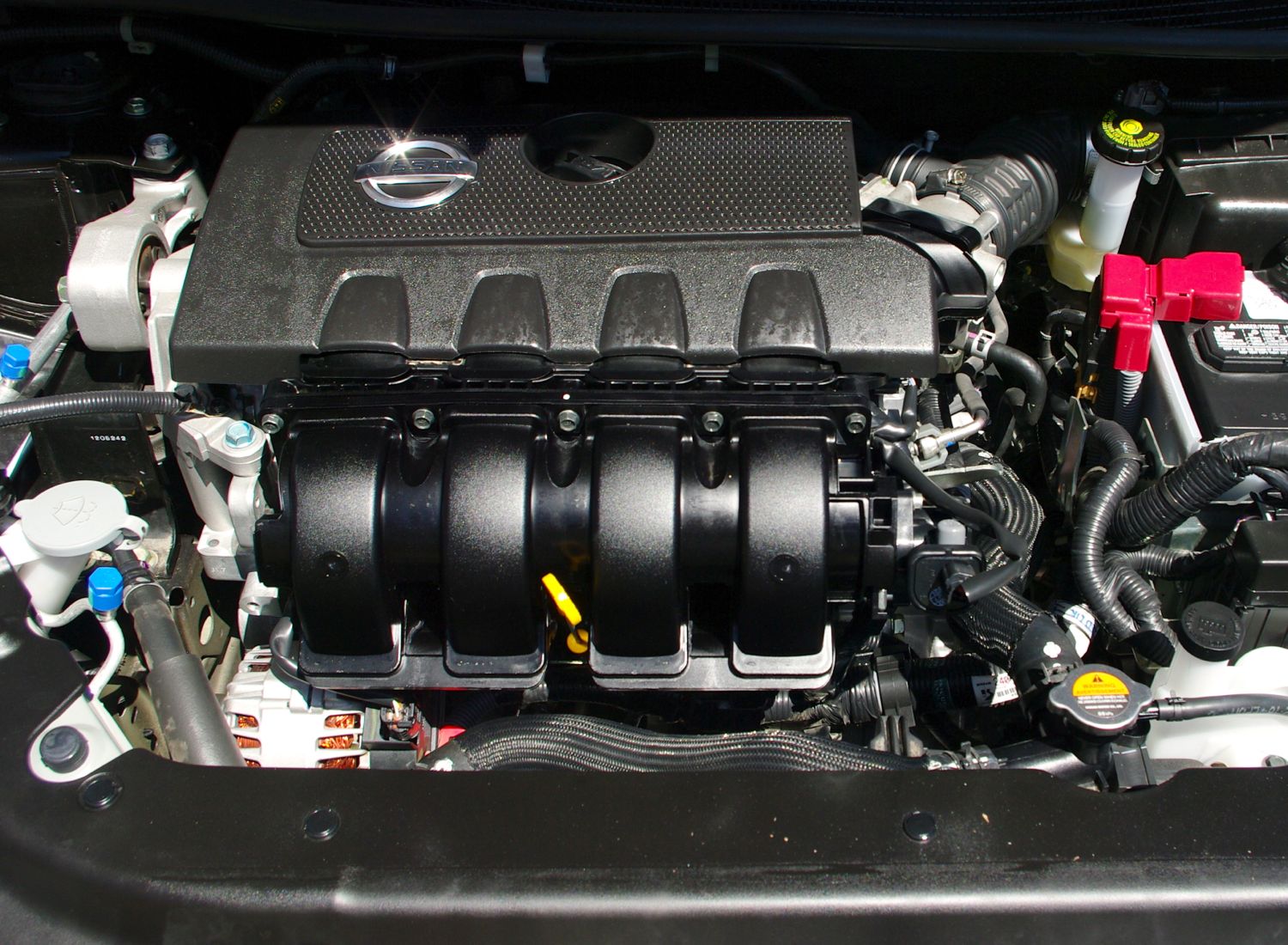
The top-of-the-range Sentra SL Sentra is a feature-rich environment with refreshingly logical controls for the most part and a bevy of electronic options including the NissanConnect package that has some of the latest hands-free technology. Seating in the SL I sampled was sheathed in excellent leather, although the driver’s perch was a bit on the flat side. The back seat was nearly as roomy as the Corolla’s and compromised only by a floor that wasn’t as flat as its Toyota nemesis. Otherwise the rear seat support was better than the front seats, and all in all a roomy, comfortable place to hang out. At 15 cubic feet the Sentra’s trunk is larger than the Corolla boot and very well-finished. Loaded to the rafters with goodies, the Sentra SL I enjoyed came to $23,655.
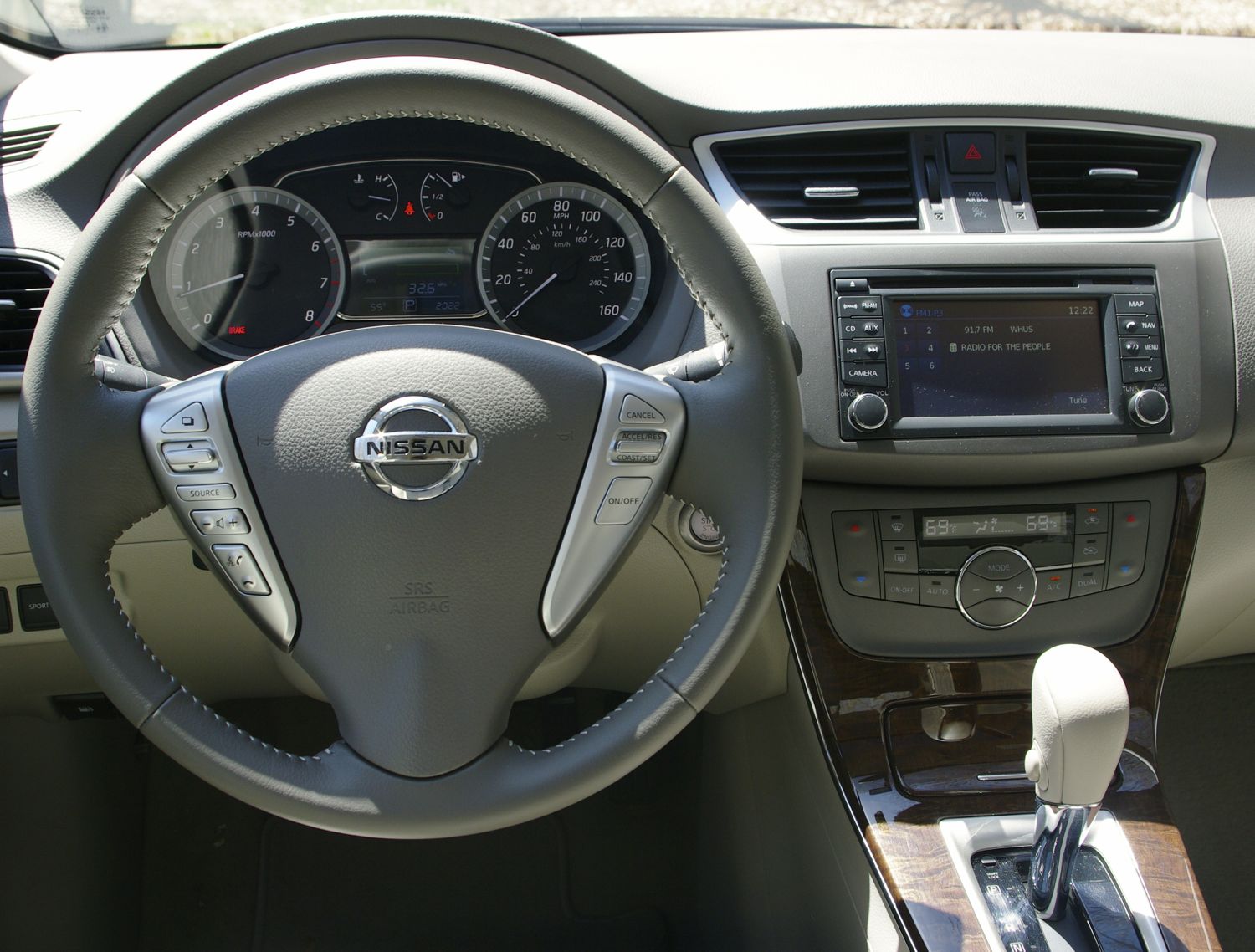
Two great compacts, that with a modicum of care should last for many miles and be economical to operate. The cool thing is, they’re both well-appointed cars that have many of the bells and whistles as much more expensive vehicles. Herein is the beauty of the modern compact, and the other offerings from Honda, Hyundai, Ford, Chevy, Dodge, Kia et al share this as well: these rides have never offered more as a class, especially for the price. Most improved genre of cars over the last decade perhaps? You betcha.
 RollingProse