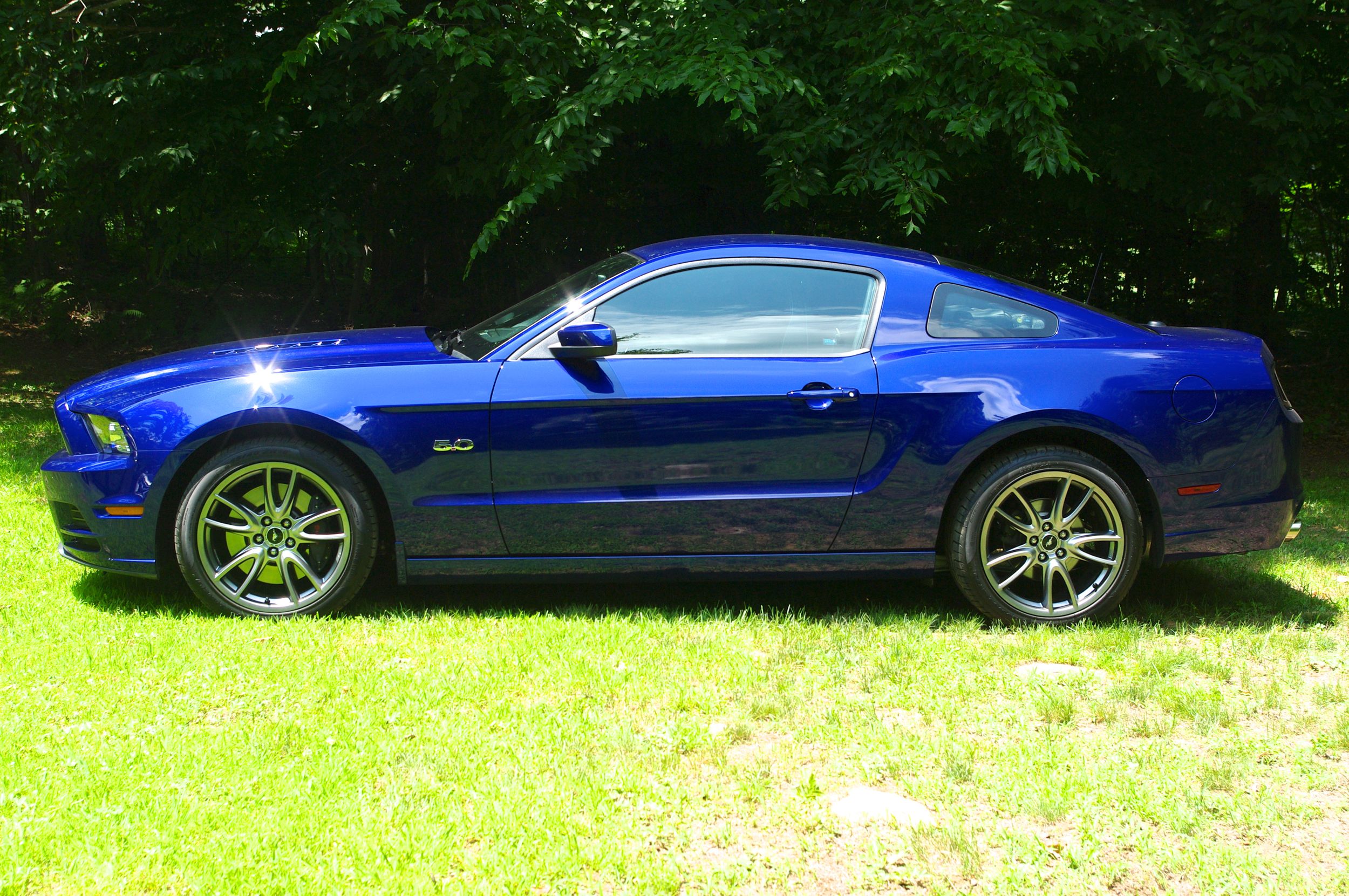
Despite the fact that I’ve never really had the Pony Car gene (although I have driven many entertaining representatives of the breed over the years), I’ve enjoyed the renaissance of the Ford Mustang, Chevy Camaro and Dodge Challenger. As a rule I haven’t been a fan of these weighty sportsters unless there’s something unusually compelling about the candidate in question. But the fact is, all the OEMs have done a very good job lately at refining and polishing these entertaining rides while upping the performance to very interesting levels. In the case of the Ford Mustang, they’ve done many great things to the styling, chassis and drivetrain and what’s most intriguing to me is how well the car does in the suspension department considering it still uses the seeming ancient live rear axle. I recently spent some quality time with the 2014 Mustang GT and of all the fun bits I’m still fascinated by that Conestoga-era rear end, and how well they’ve made this cheap, unsophisticated piece work quite satisfactorily in the vast majority of situations you’re likely to encounter.
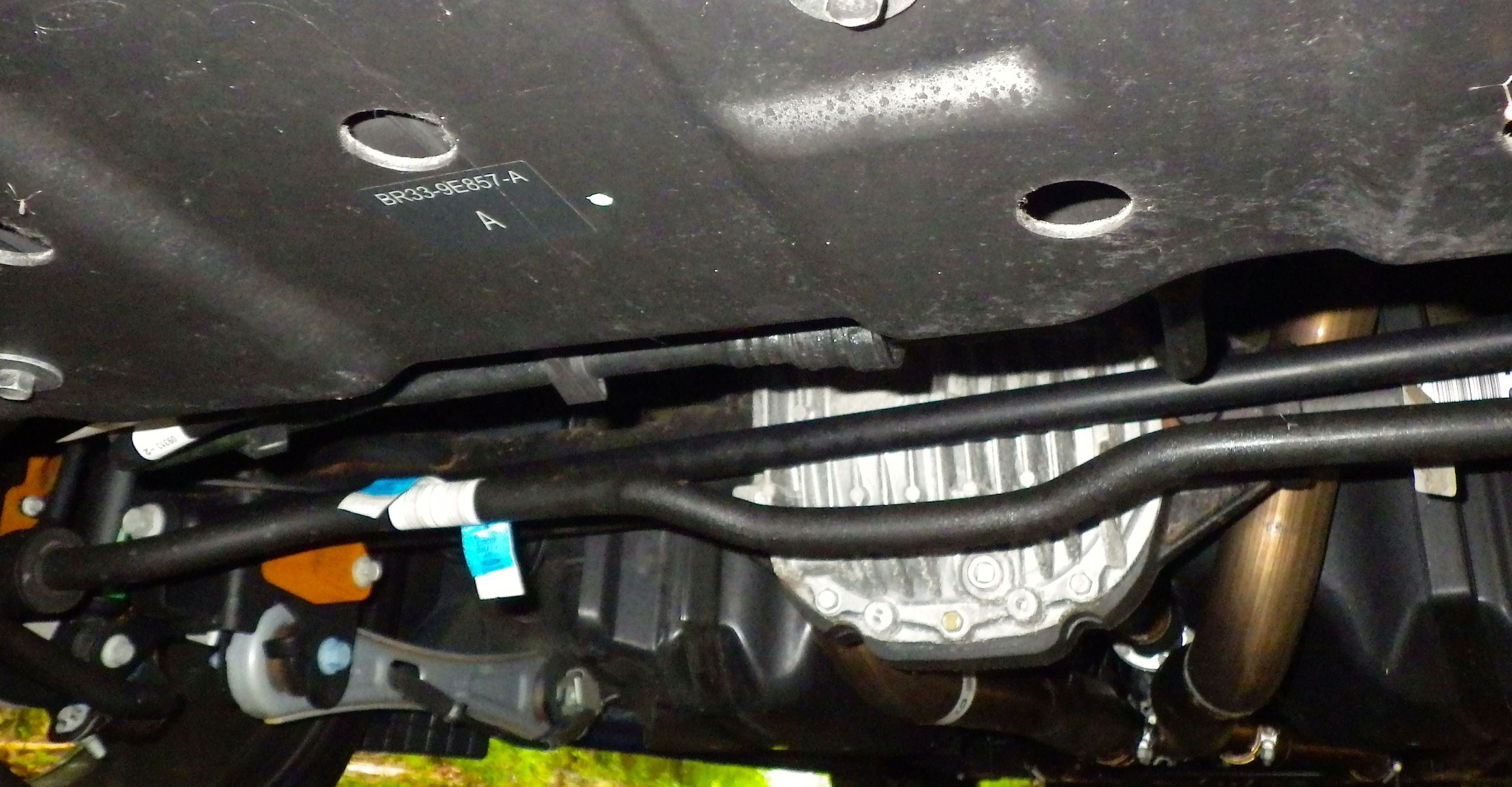
Here’s a weird aside for those that like weird asides. Awhile back I was testing the latest generation of the Ford Superduty pickup, which in 4X4 guise had a straight front axle (unlike it’s arch nemesis the Chevy/GM HD pickup). At the time I remember thinking the beast had pretty decent front end manners considering how primitive (and rugged) the set-up was. I remember thinking that since the engineers have spent eons working with a straight axle, they have developed things pretty much as far as they could go considering a bump on one wheel will still get transferred to the other side of the axle, and thus effect handling depending on the severity of the jolt. But the big truck was acceptably compliant and you wouldn’t realize it was using ancient tech except under specific situations.
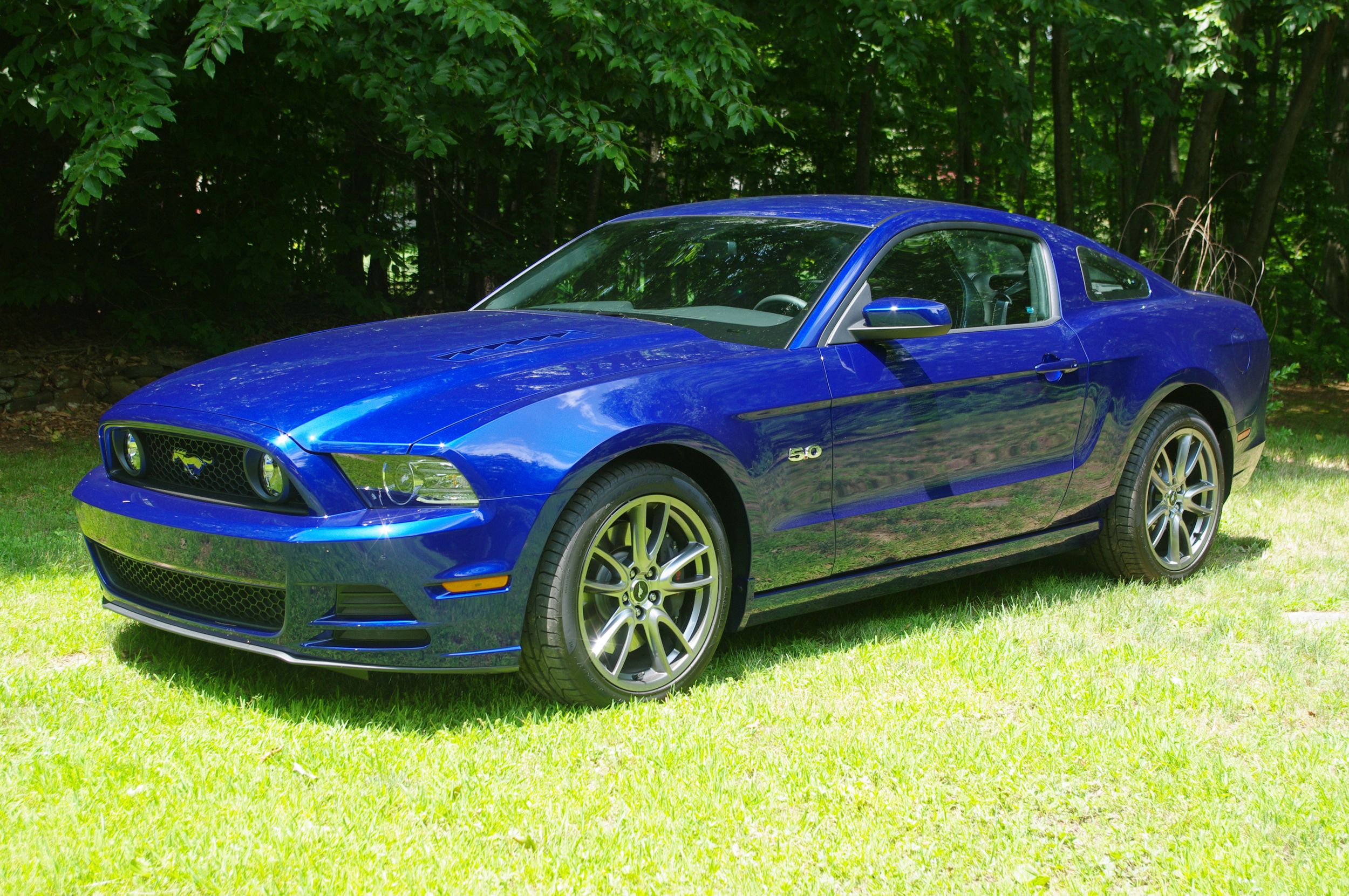
Which brings it to the new Mustang GT. It has a very contemporary independent front suspension, and a very ancient straight rear axle. However, one must note the Ancient One has very advanced dampers, and all manner of slick links (some composed of aluminum to minimize the unsprung weight and response time). It’s not near as clumsy as live axle setups of the past, and delivers a decent ride as well. All in all the composure and handling are quite competent, and allow you to exploit the goodness of the stout, rear-drive architecture.
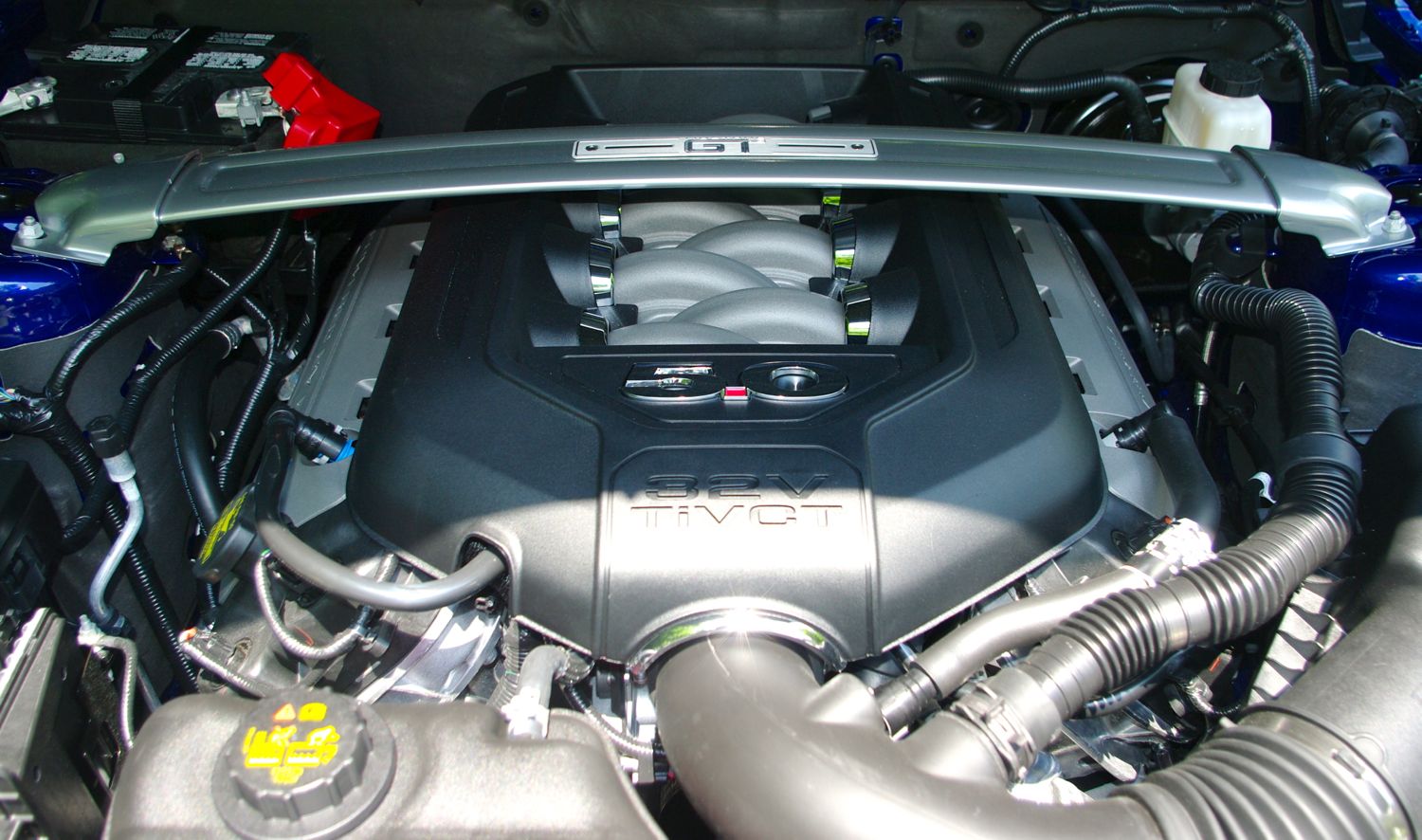
Of course, there is an engine and transmission involved in this exploitation. In the case of the former, we have a 5-liter V8 with a robust 420 horsepower and both an absolutely excellent exhaust note and an intoxicating intake howl. You get to pick from either a 6-Speed manual or 6-Speed Automatic, and we had the manual gearbox which like the rest of the car has undergone years of tweaking to now fits its role like a velvet glove. (velvet glove? I can’t recall ever wearing one so let’s say it fits like a well-worn leather motorcycle gauntlet. This is all in the interest of accurate metaphors and such. We all care deeply about such things, yes? Of course).
Both the shifter ergos and the ratios of the six speeds were spot on, and the clutch effort was nigh on perfect for my tastes. This makes the car a welcome companion when you’re hammering down a curvy bit of blacktop or just tootling to the store. The car can get to 60 MPH in around six seconds without breaking much of a sweat, and the super-sized Brembo front discs bring things to a halt in short order.
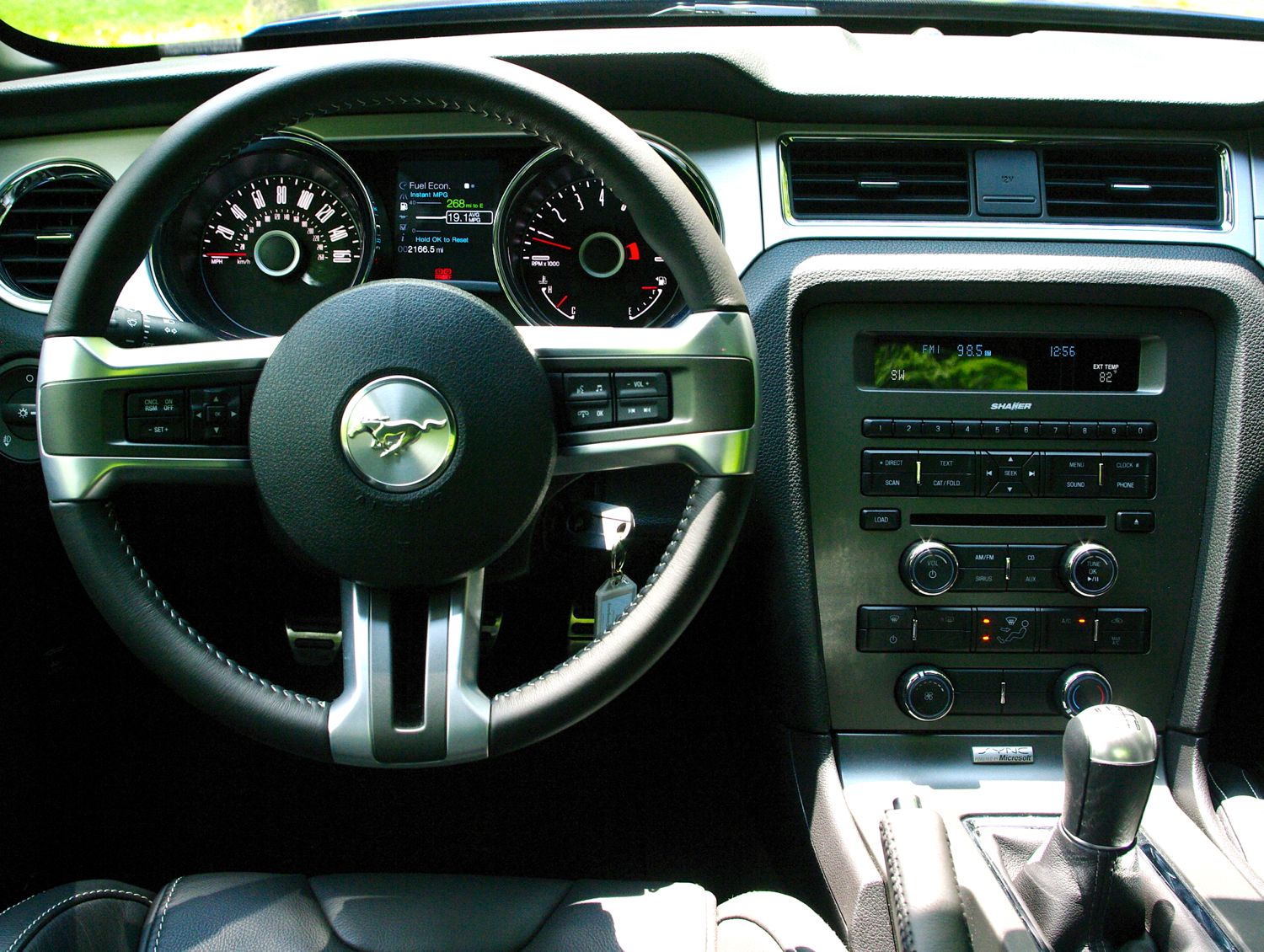
The GT I tested was blissfully free of a touch screen (available as an option in the NAV package), and while a navigation system can certainly benefit from the Kewl Kid’s favorite tech it has come to my attention that (and this goes for the bulk of voice activation activation juju as well) you can do things faster and more efficiently using conventional knobs and switches provided they’re intelligently placed (and I’m including voice activation in the universe of making things more complex as well). The big, round analog tach and speedo pods look very retro as they are supposed to do, with a fairly big trip computer in-between that pushes said pods kind of far from each other. Our GT had the optional Recaro buckets that I found wonderfully supportive but my passenger found unyielding and uncomfortable. The steering wheel tilts but doesn’t telescope, which is odd for a driver’s car you should be able to fine-tune to your physique.

Ultimately the new Mustang GT benefits from being a well-integrated whole as opposed to a collection of good parts, which is always a welcome discovery when you put miles on such an auto. Even though I’m not a Mustang addict I really enjoyed the car and looked forward to every outing in it. It felt solid, planted and yet still managed a classy bit of understatement, and it would be a tough pick between this and the Boss 302 I really liked in 2012. Who knows how I would feel if one component was missing, like the Recaros or the Brembos. But as equipped, the $40,330 car was just right. True, at around 16 MPG it isn’t a fuel economy champ but then this is not a car people tend to purchase with economy in mind.
And Then the Top Came Off
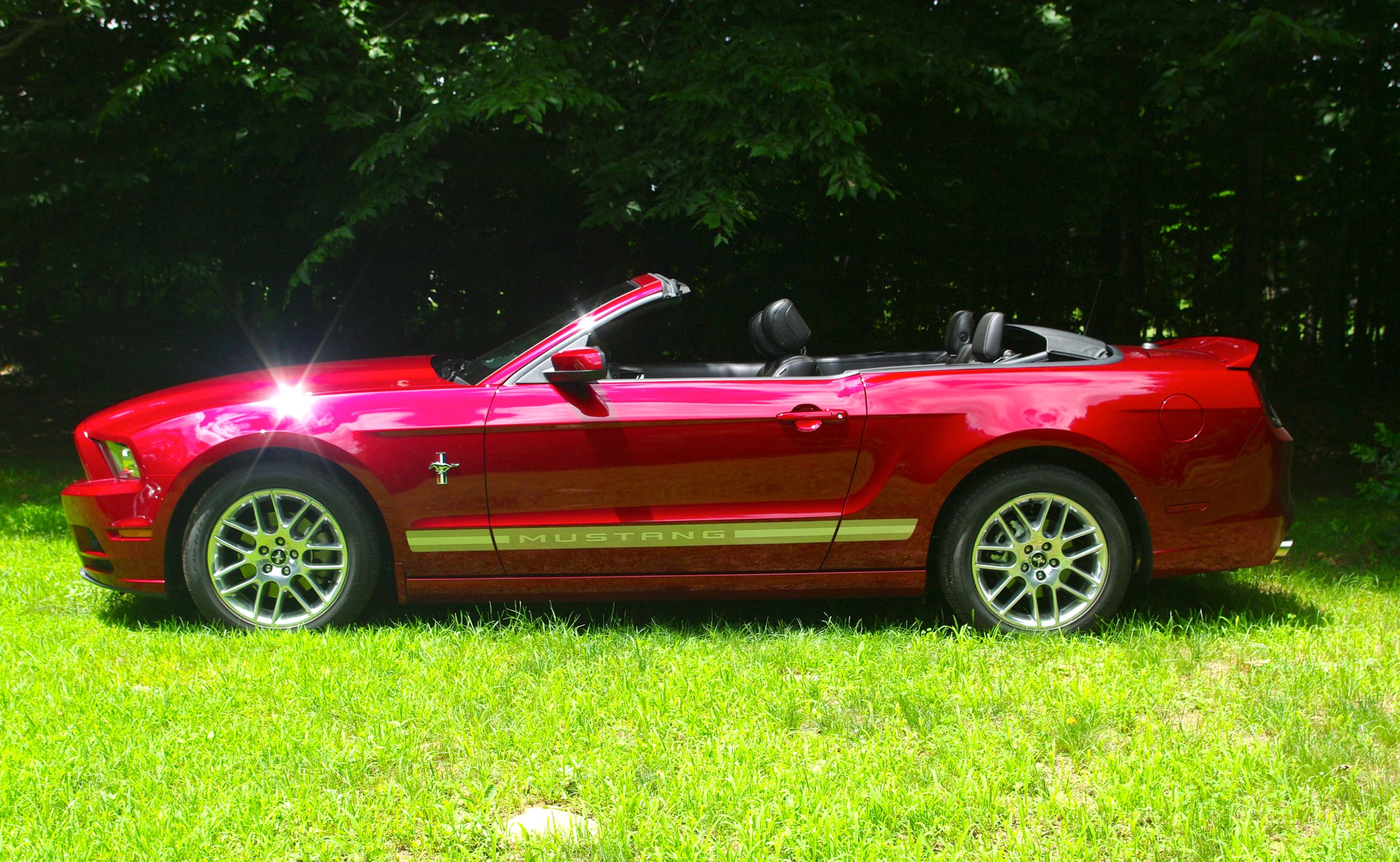
Ford was generous enough to see to it that I got to experience another, very different member of the 2014 Mustang family with the loan of a V6 Convertible with an Automatic transmission. So here I sampled the “other” Mustang powertrain along with a bit of drop-top living, and this unit was equipped with a navigation system with touch screen and a back-up camera.
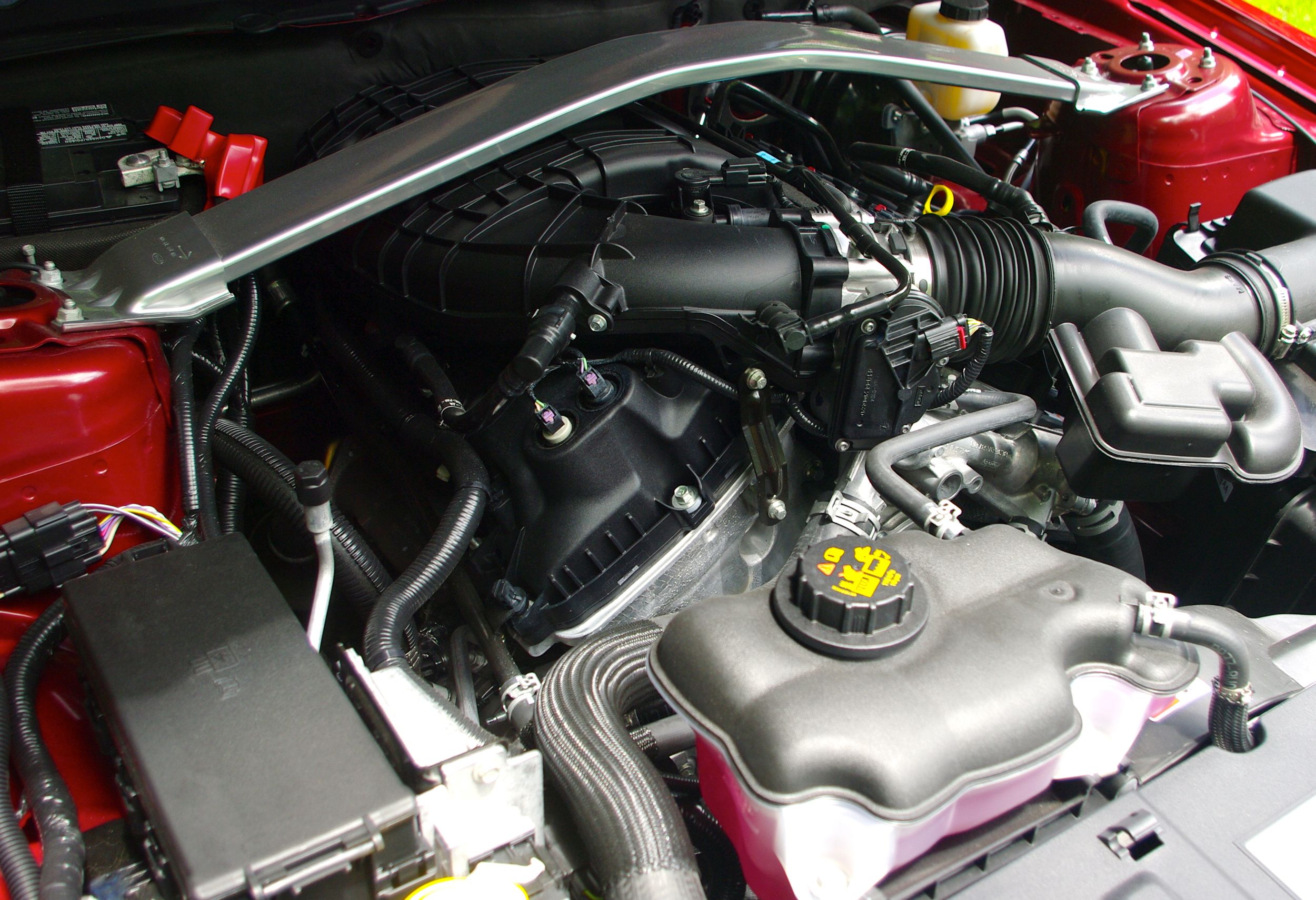
The V6 puts out a respectable 305 horsepower, and coupled with the 6-speed Auto moves out well (0-60 averaged under 8 seconds). What it lacks in sheer thrust it makes up for with refinement and surprisingly decent fuel economy (I averaged nearly 22 MPG in a week of mixed driving; quite an improvement over ye olde GT). The cloth top deploys and retracts easily at the touch of a button (and the flipping of a few levers), and seals well. The car is surprisingly quiet on the highway with the top up, and fairly turbulent-free with it folded away. The typical convertible drawbacks are here in the form of a smallish (but still usable) trunk, and some unpleasant cowl shake over rough roads. The last bit is still pretty common when coupes are made into convertibles as the unibody structure is reinforced but not enough to eliminate the phenomena, but it’s not the worse I’ve ever seen.

The inclusion of a touch screen adds Navigation functionality and the welcome back-up camera as I mentioned, but it also makes many radio functions more finicky than the more straightforward GT was. But, these days drivers touch screens seem to be all the rage and Ford is working hard to makes such systems more logical and intuitive. It’s not awful; it’s just that I hate making things more complex just because the new gadgets will fit in the car.
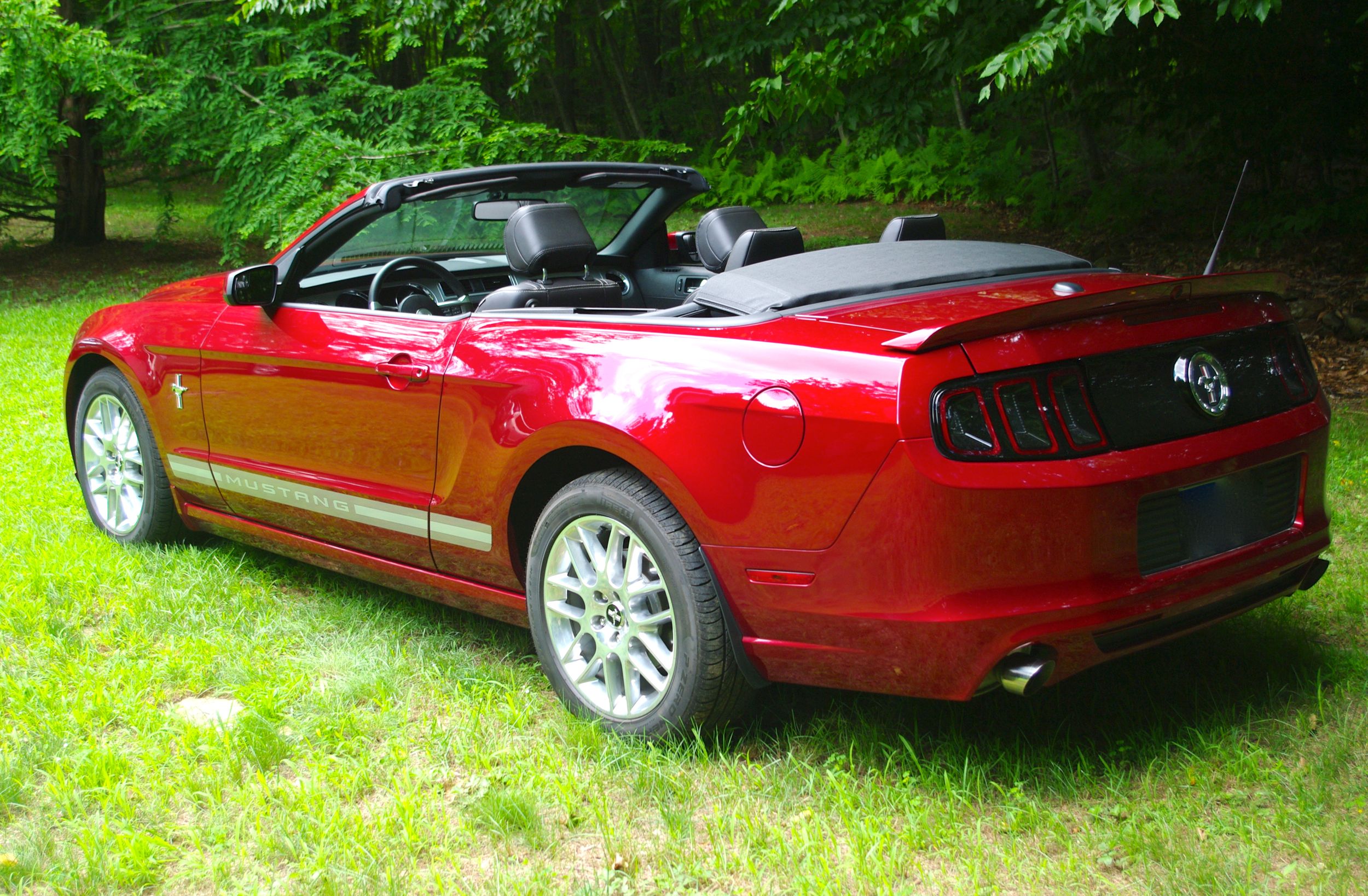
Overall, the latest generation of the Mustang is a fine piece that just gets better the more they tweak. The retro styling in my view is spot-on, inside and out. There are some practical downsides of course, but as everyone knows logical transportation is not exactly what this breed is about. And that old live axle keeps on keeping on, although I think its days are numbered. But it does work surprisingly well, and is a credit to the engineers who keep teaching this old dog new tricks. I prefer the GT for it’s driving manners, but the convertible is its own fun. Imagine: a car you can speak instructions to with a rear axle from the Chisholm Trail. Good Times.
P.S. No Equine Metaphors were hurt in the creation of the post.
 RollingProse