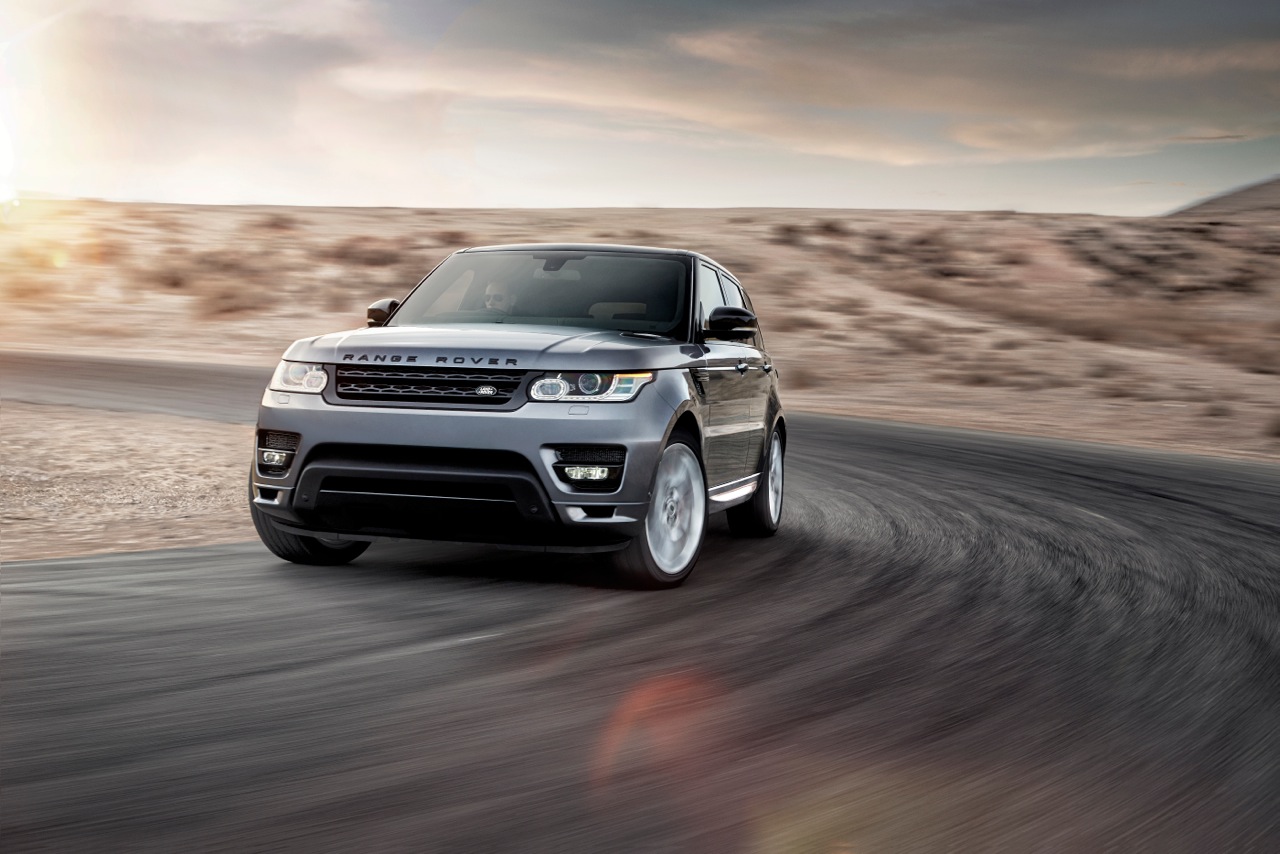
His name was Jonathan. He was British by heritage but currently resides in Vermont when he’s not working as a Teamster in the motion picture business. He was my off-road driving coach, provided by the Land Rover team that was conducting the launch of the all-new Range Rover Sport in and about the heart of California’s Silicon Valley. In addition to being a very nice fellow, he is quite good at his job as he’s worked all over the world training all kinds of people how to get from Point A to Point B when they work for the likes of Doctors Without Borders and other life-saving NGOs. This often means going where roads are laughable (often referred to as “roads”), and successfully negotiating really nasty terrain to get to where help is needed can be as critical to the life-saving business as the work itself.
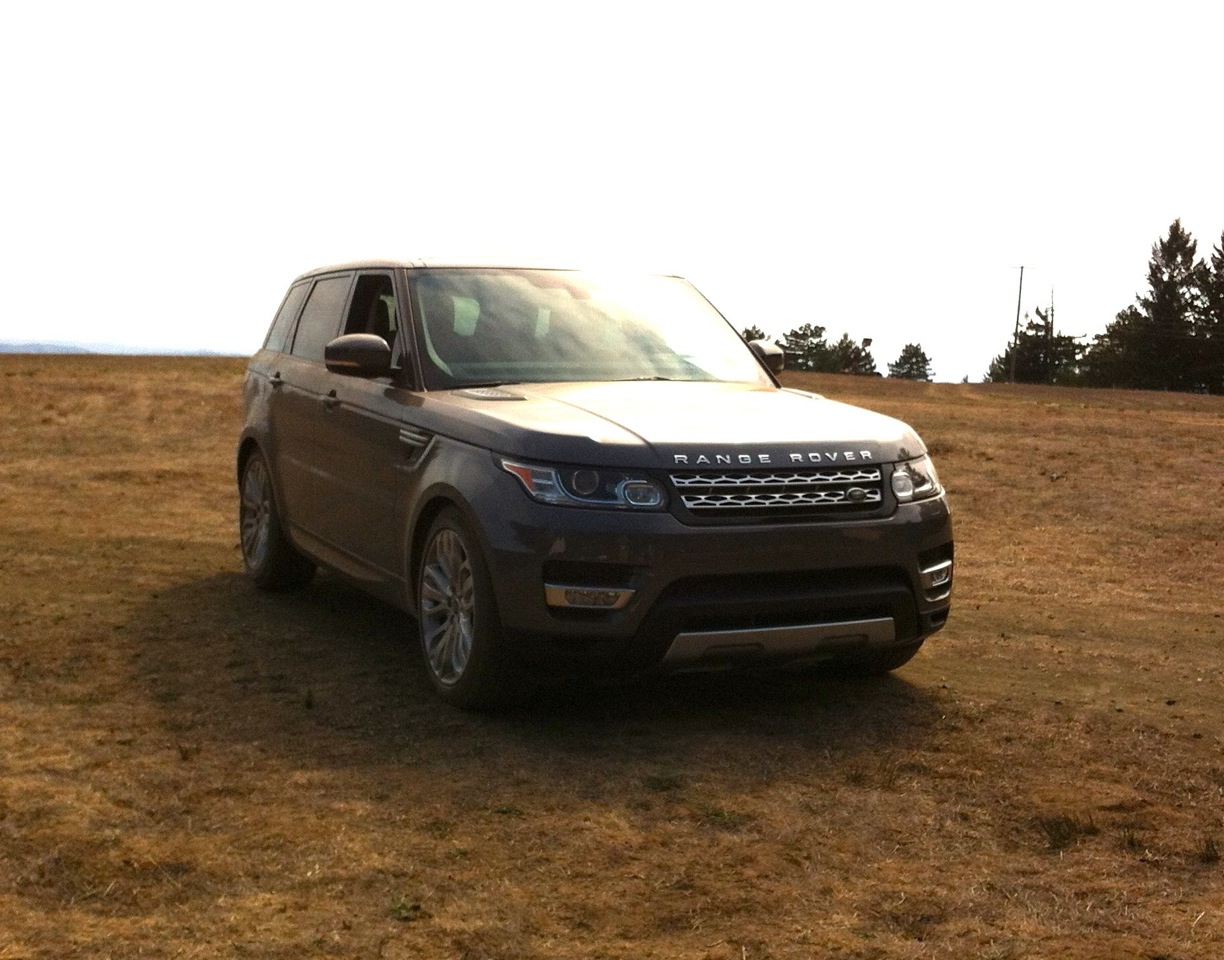
What really impressed me about this whole exercise was not just Jonathan’s excellent tutelage but the vehicle we were operating, for this luxurious, erudite SUV was doing the lion’s share of terrain management with its dizzying assortment of computerized driving aides. This same machine had earlier in the day been a first-class tarmac tamer, displaying tight, taut suspension control (helped by some black-box goodness that calls itself Dynamic Response) and a glorious Supercharged V8 that powered us from apex to apex like its Jaguar siblings. But thanks to an air suspension that delivers a surprising amount of additional ground clearance when the proper mode is selected (and squats low to aid ingress), the vehicle negotiated some very nasty hills and moguls with complete ease. It’s really become so amazingly automated that you have to learn a new type of off-road driving technique that lets you exploit all the silicon brains to handle traction, output and braking while you concentrate on steering around obstacles (like awe-inspiring 1,000-year-old redwoods). The magic is called Terrain Response 2, and Range Rover states that “the new system is able to switch completely automatically between the five settings: General, Grass/Gravel/Snow, Mud/Ruts, Sand and Rock Crawl.” On trails that looked like they’d be a chore to even walk on, the Rover Sport clawed up, over and through, without a creak or moan out of the unibody chassis. The chassis rigidity is important, and not just because it’s required on a vehicle capable of true off-road work. You see, I was under the false impression that the previous iteration of big Range Rover Sport had already ditched the body-on-frame construction for a unitized design.
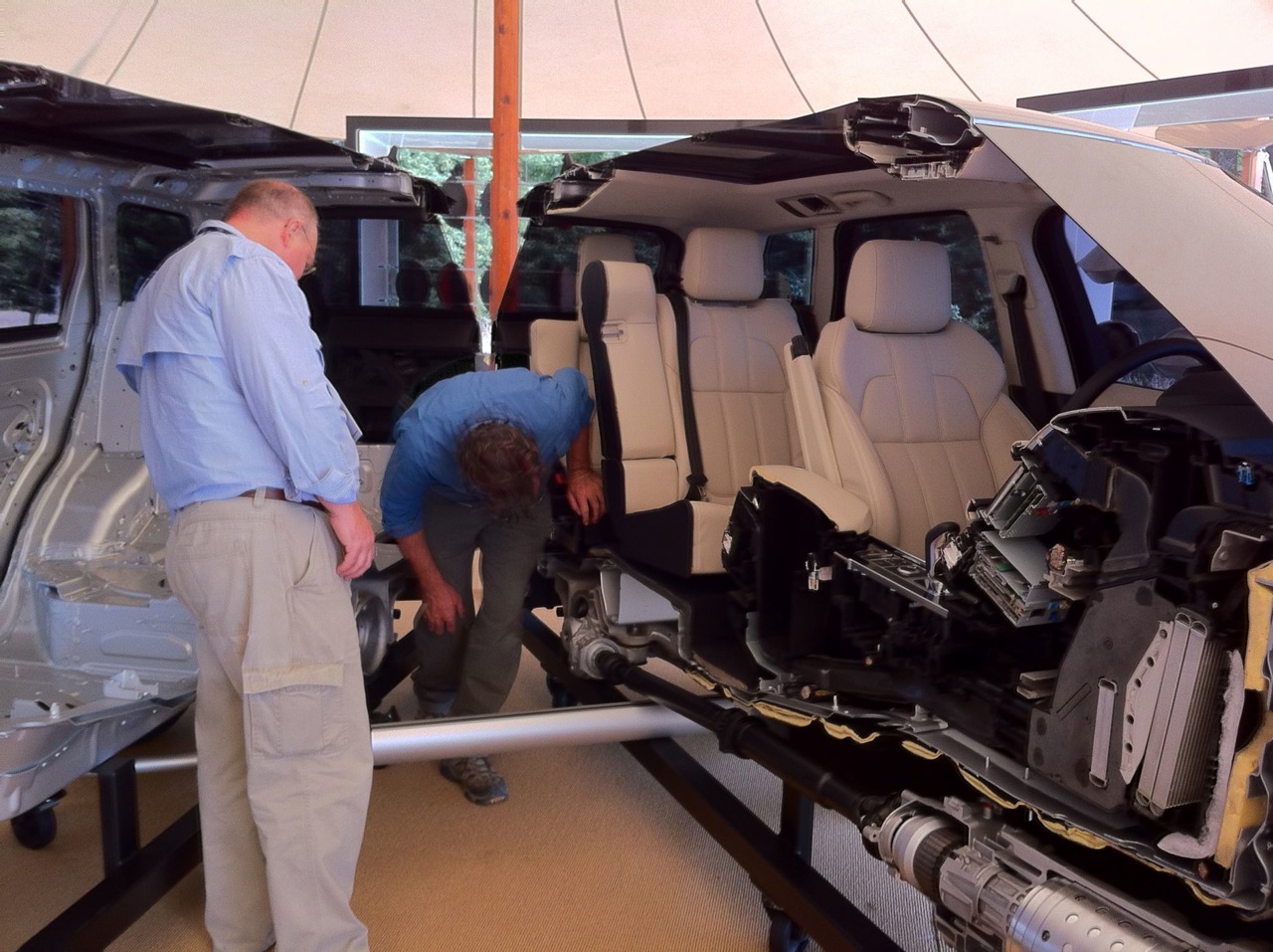
But as I learned, this was not the case. What was used previously was sort of a “hybrid” construction that melded elements of a stout ladder frame with unitized body structure. The new-from-the-ground-up design is an amazingly stiff, stout aluminum structure, bonded with an adhesive that works down to the molecular level and then gets the living crap riveted out of it for good measure. It’s not only stiff enough to cope with rocks and moguls; it should make the Range Rover Sport a very safe place to be in a collision. An engineer told me that Jaguar designers helped with the chassis, thanks to their extensive experience working with aluminum to shape body structures and build very stout chassis elements. They had a Sport that was sliced perfectly in half so we could see the inner design, and it was a very fascinating display to poke around and study. Ultimately, the new Sport is 800 lbs. lighter than its predecessor which is nothing short of amazing.
As this is a driving impression based on a press launch, I won’t go into more detail until I have one to test for a week. But overall, the Sport was a very, very interesting vehicle. Here’s an observation I noticed that I can pass on, regarding engine choices. There is a Supercharged 3-liter V6 with 340 horsepower along with a Supercharged 5-liter V8 with 510 horsepower available, and both of these engines are mated to an 8-Speed automatic transmission. We got to drive both on the serpentine roads around Silicon Valley and here’s an oddity: I actually liked the V6 on the road more than the V8, despite the bigger mill’s additional power. The V6 version is about 300 lbs. lighter, which may have explained while it just felt a bit more agile in the tighter stuff. Both have excellent agility on road or off, and are packed with all the latest black box magic.
This new upscale member of the Land Rover group is armed to the gills with all kinds of impressive technology, and it has been tested extensively (in over 20 countries) to shake down all the new engineering. If the ones we drove at the North American launch are any indication, there’s a seriously solid new luxury SUV on the market. A more thorough examination will arrive when I spend more time with one.
 RollingProse