
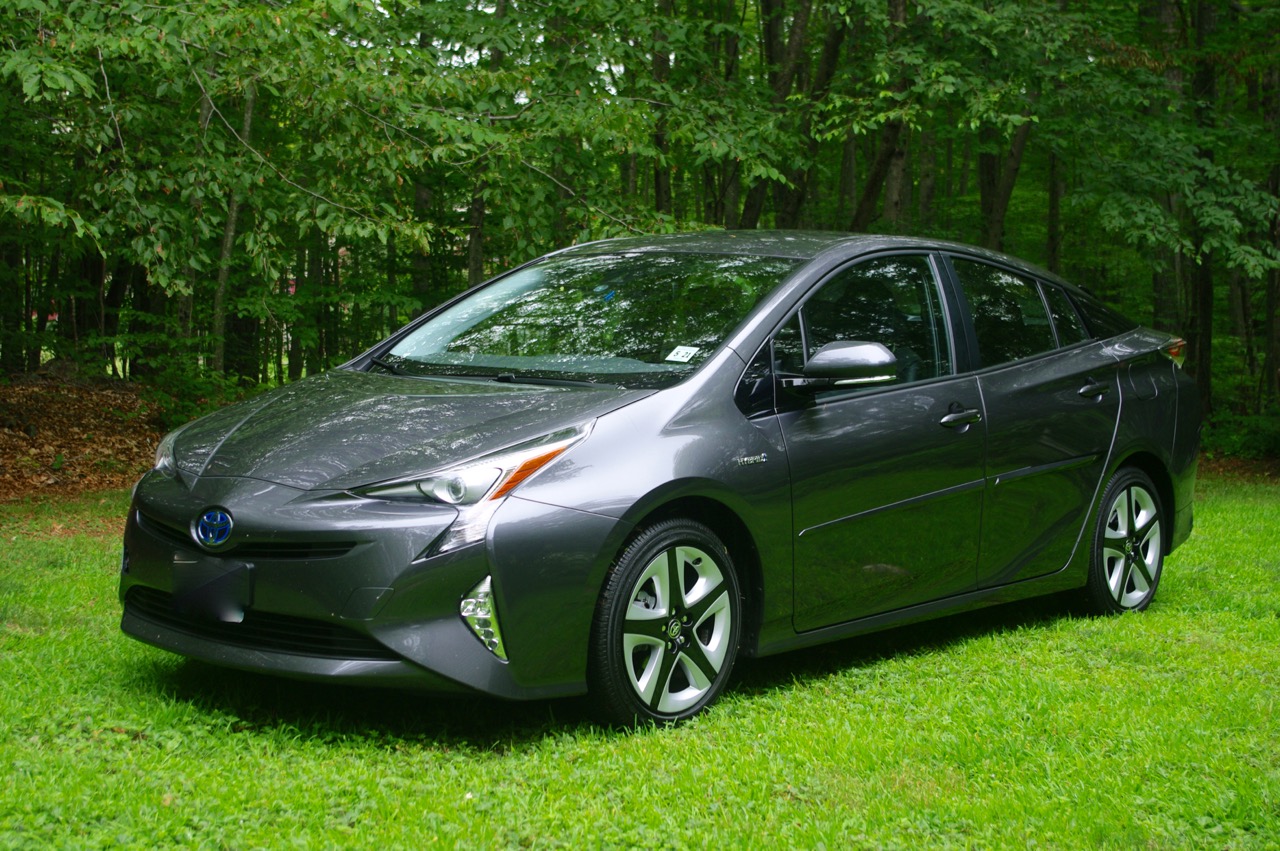
I was a writing up a review of the new Toyota Prius for a publication I write for (print only), which by the way was a pretty glowing test as they did some great things to this iconic Hybrid. They actually made the thing more like the 2004-2009 generation and thus changed some of the things I wasn’t wild about on the 2010-1015 version, and delivered better ride, handling, performance and even gas mileage. All in all an impressive accomplishment. I’ve actually got an older Prius somewhere, although the wife uses it so much I rarely see it. But I’ve always thought it was one of the most important cars in the last 50 years because it slashed fuel consumption yet demanded little in compromise from the owner. It beats the crap out of electric plug in autos in the this regard, and will continue to do so until fuel cell cars take over which will happen far sooner than the self-driving autos that so many seem to think are just around the corner.
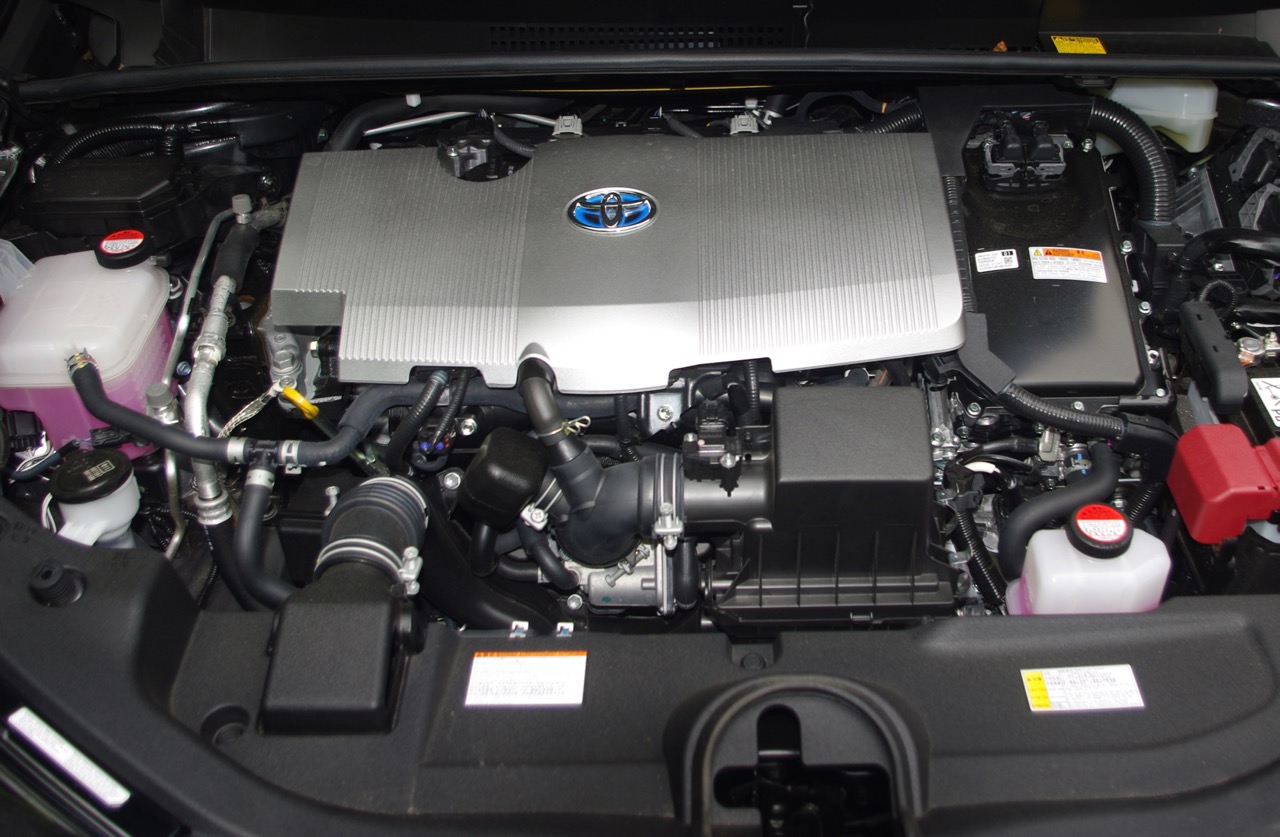
I decided to scribble something on this hideous space about this fine machine because there was an interesting thing that I was initially fooled by, and that’s my own fault. You see, I’ve noticed that all Toyota hybrids up to this point (except plug-in versions) have used nickel-metal-hydride batteries to power the electric motor(s) in the drivetrain. Other OEMs have gone with Lithium-ion batteries as they are more powerful and weigh less, thus are attractive. But, as you know if you’re reading this on any kind of portable electronic device, Lithiums do have their drawbacks, and (until recently) they lost a lot of power when the charging cycle count gets high. These days they’re better than they were, but I still think there are other reasons why Toyota didn’t dump the old batteries and embrace them. The Ni-MH units have been real tough hombres, and served the Prius and other Toyota Hybrids really well. I note that the new RAV4 Hybrid has them, and so do the Lexus Hybrids. But wait: the new Prius is part of this frugal family and yet there is a difference. When I first glanced at the spec sheet, I saw Ni-MH batteries were used so I assumed that was that. But it turns out that’s just on the base model. The other units get new Lithiums, and I was actually surprised when I saw this. I mean, I knew the plug-in version had them, but this is an interesting change. The one I tested had the new batteries, and it was very peppy and mega efficient (something one typically desires in these vehicles).
I consulted Toyota and they confirmed they had made the change but also pointed out the older battery technology was still used, largely because (and something I didn’t know) some countries won’t allow cars with Li-ion batteries to be sold. It’s a heat thing, I think, and they don’t trust the buggers. Interesting, no? Meanwhile, pretty much everybody else is using the oversized laptop cells and the Ni-MH are starting to vanish.
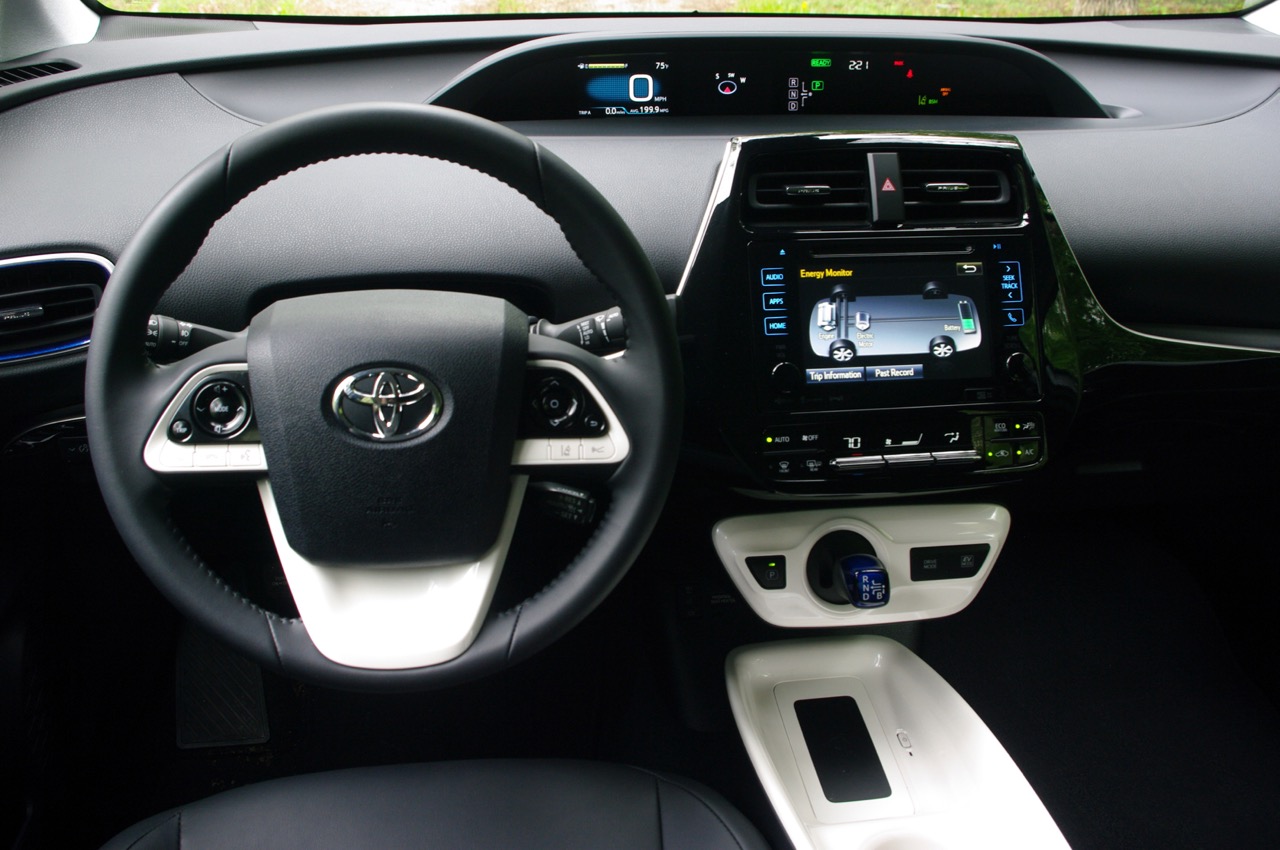
I prefer the old batteries, but I’m weird. I prefer mechanical analog watches for scuba diving, and use a dive computer sparingly if at all. Anytime I forget my smartphone at home I feel like I’ve done something desirable. There will be no Internet of Things in my house, as I hate introducing complexity and more avenues of failure into any device or system when the innovation has no real value. Apple has just yanked the headphone jack from their new iPhone, and called this ludicrous move “courageous.” Indeed. But, to be fair, I’m probably being silly about the Hybrid battery thing. We’ll see if the new Prius system has the longevity of the old cells, and there are no additional issues. The rest of the car is a fine improvement as it’s lighter, stiffer, more responsive and has a tick more engine/motor interface refinement (which was already pretty decent on the older Prius). It’s a good car made better. Oh, but they need to lose the plastic inserts in the console and around the steering wheel. You’ll notice them right away. I think they’ll be gone with the next upgrade. Hope so. They are a strange evil in an otherwise decent interior.
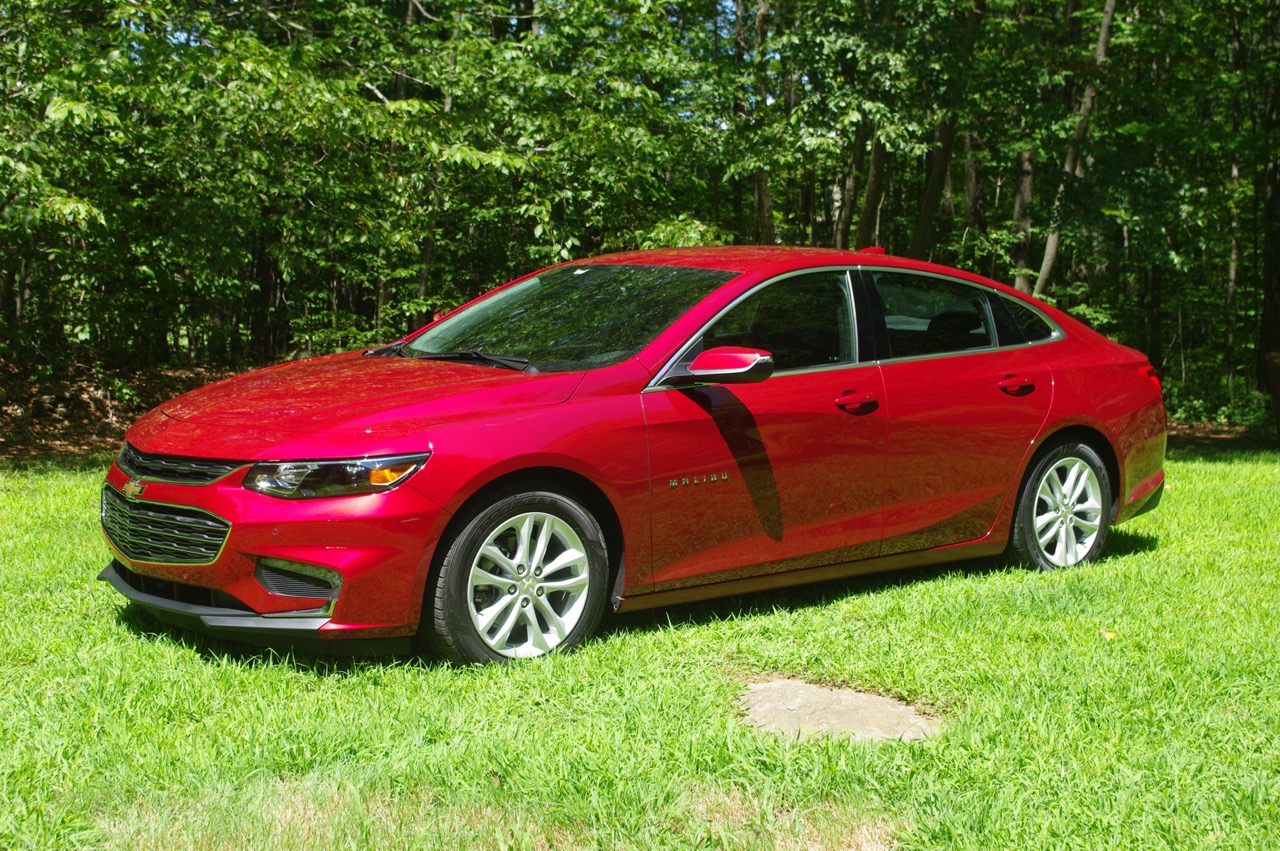
Speaking of Hybrids getting better, I have to mention another car that was a big surprise and a really huge improvement over its predecessor: the Chevy Malibu Hybrid. It’s a chalk and cheese improvement over the old Hybrid, and you can thank the Volt for a lot of it. The car finally feels like a solidly engineered whole, rather than a cobbled together Hybrid version of another car. Engine/e-motor transitions are splendid, the car moves out well and is a pleasure to drive, and fuel economy is quite competitive. I was very impressed with the unit, and I tip my hat to all involved that turned the boat around so effectively. Oh, and the battery pack? Li-ion, of course. GM has a lot of experience with these rascals, so more power to them. I think. We’ll see if the new Honda Accord Hybrid is likewise improved, as the last version was less than stellar. I’ll have one to explore very soon. I reckon it will have Li-Ions too, like everybody else. Pity. I do likes me Nickels.

As I said, though, I’m weird. It will all be moot some anyway. Fuel Cells, baby. That’s the future. You’ll see.
 RollingProse